
In search of a new narrative for the Faculty of Social Sciences
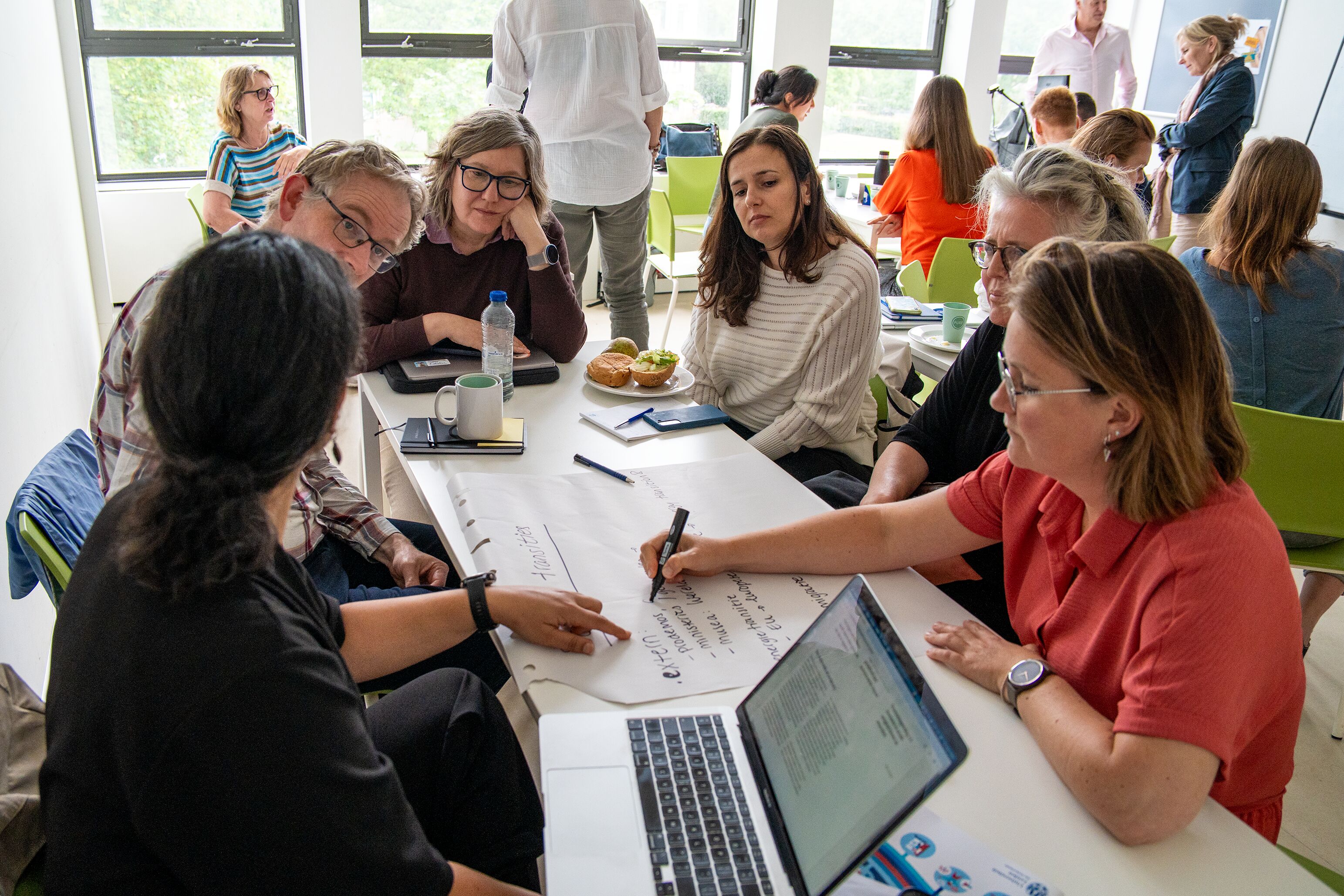
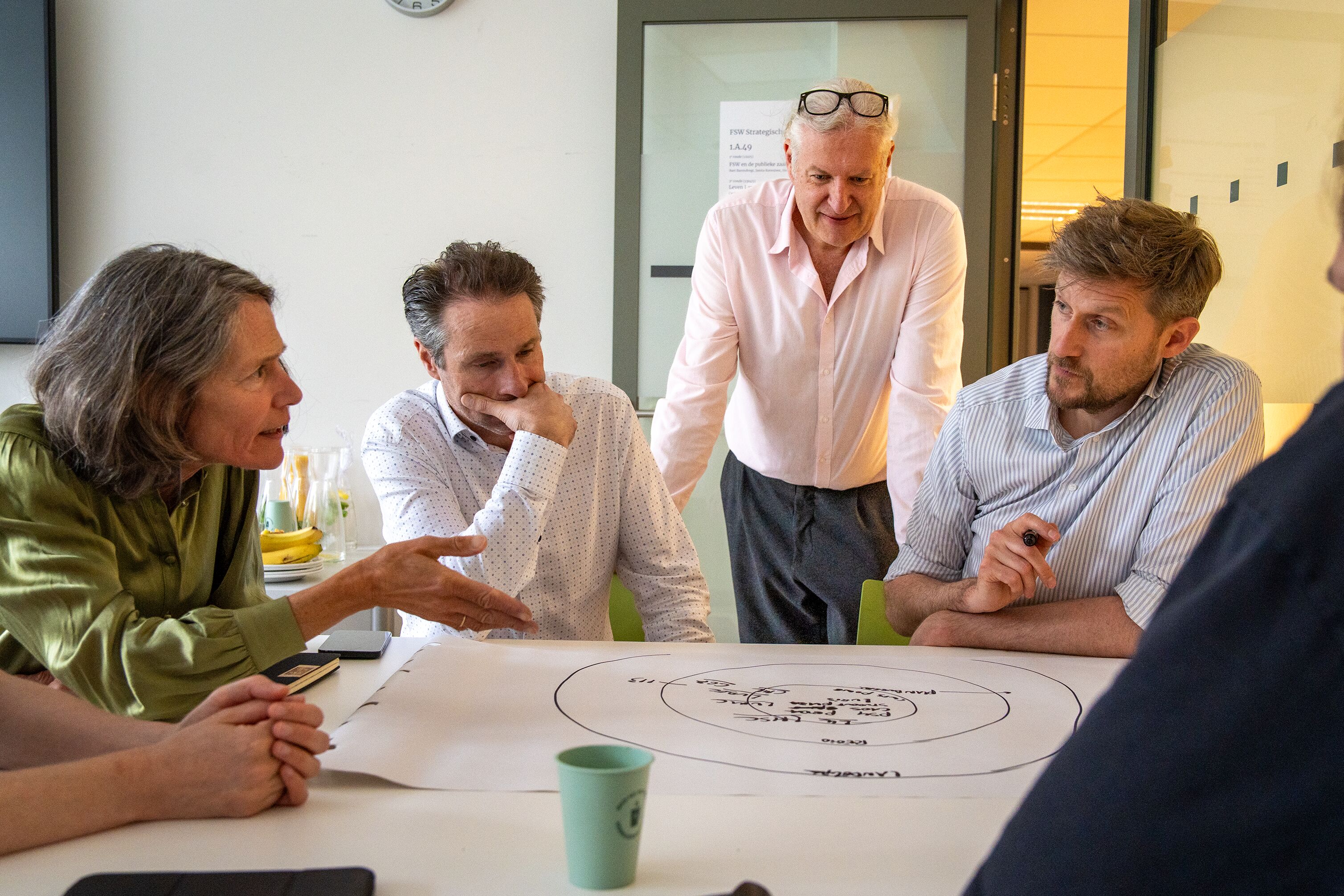
What is our faculty’s overarching narrative? This was the central theme of the strategic conference on 4 June. Administrators, lecturers, researchers and other guests shared their visions, engaged in discussions and attended workshops. All in search of a new narrative.
-
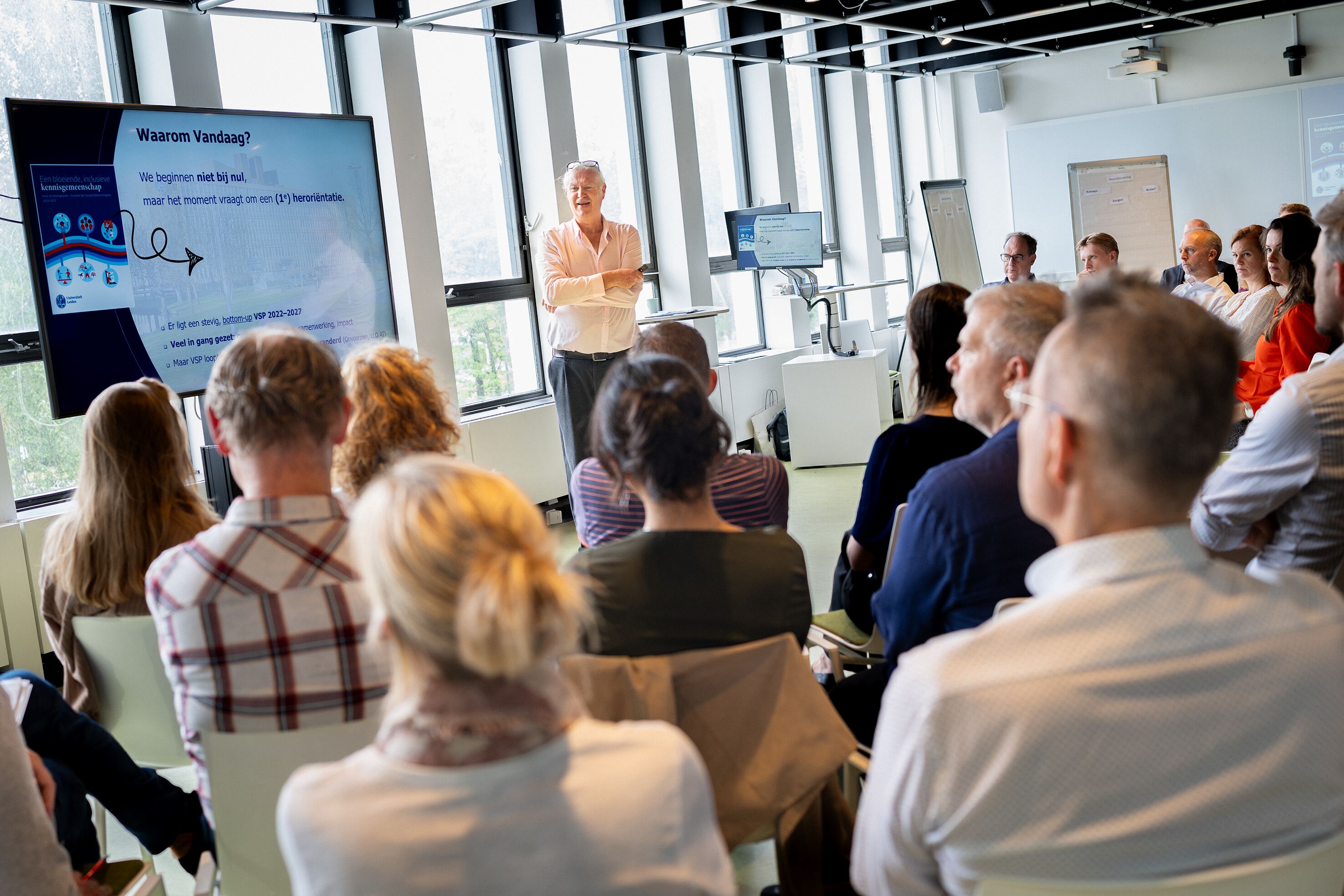
Dean Bart Barendregt opens the conference -
-
-

Dean Bart Barendregt during the opening: ‘The Vision and Strategy Plan 2022-2027 is coming to an end and many good things have happened. But the world has changed; look at the geopolitical developments, the rise of AI, the ageing population.’
Guiding story
So, on to a new vision, in which our narrative takes the lead. ‘A good story shows what you stand for. That not only useful but also strategically smart. Our story can guide our choices, relationships and collaborations. We are keen to demonstrate our commitment to the Sector Plans, in which we work on the basis of societal issues. And our contribution to the university’s profiling – in which we address pressing questions within our five core themes – also fits into our overarching narrative.’
Moving forward
By the end of the day, the conference had proved to be a successful first step towards developing a new narrative, both in terms of organisation and content. Barendregt: ‘This was a day full of constructive ideas and enthusiasm. And now we’re moving forward: we’ll be engaging with the organisation and seeking support, whilst also welcoming critical views.’
Participants share their thoughts
How did the participants experience the conference? Three of them share their thoughts.
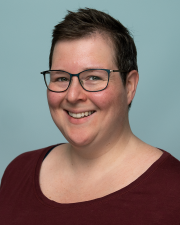
Mieneke van der Salm (Policy officer Education)
‘I’ve had lots of interesting conversations and made new contacts. I noticed a real burst of energy and enthusiasm, for example during the session on Lifelong Development. What have I learned from this day? That, as a faculty and as individual institutes, we’ll have to make tough choices about where we focus our energy. We mustn’t be afraid to prioritise, even if that doesn’t immediately yield flashy results: the foundations must be solid before we can build on them.’
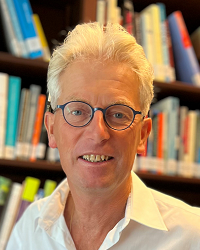
Thed van Leeuwen (Professor on Open Science at CSTS)
‘The workshops I took part in were very inspiring. For instance, we brainstormed about the move to a new building and how we, as a faculty, would like to see our identity reflected in this building. In a workshop on communication, we looked for clear arguments regarding certain issues. It struck me once again just how important clear and transparent communication is. My main take-away for now is that we need to aim for a streamlined, FSW-wide science communication strategy.’
Kiki Zanolie (Associate professor in Psychology and member of the Faculty Council)
‘It was inspiring to look ahead to the future of the FSW with my colleagues. We didn’t just discuss ambitions and big ideas, but also how to translate them into concrete actions. It struck me once again just how significant a contribution the social sciences can make to complex societal issues. We have so much knowledge in-house! That is precisely why it is important to make choices and establish a clear profile. For me, it also confirmed how important it is that there is room within an organisation for different perspectives and a constructive counterbalance. Structures such as employee participation can help to make plans more focused, more widely supported and ultimately more successful.’