

Second edition of 'Nacht van de Digitale Veiligheid' a success: digital resilience requires collaboration
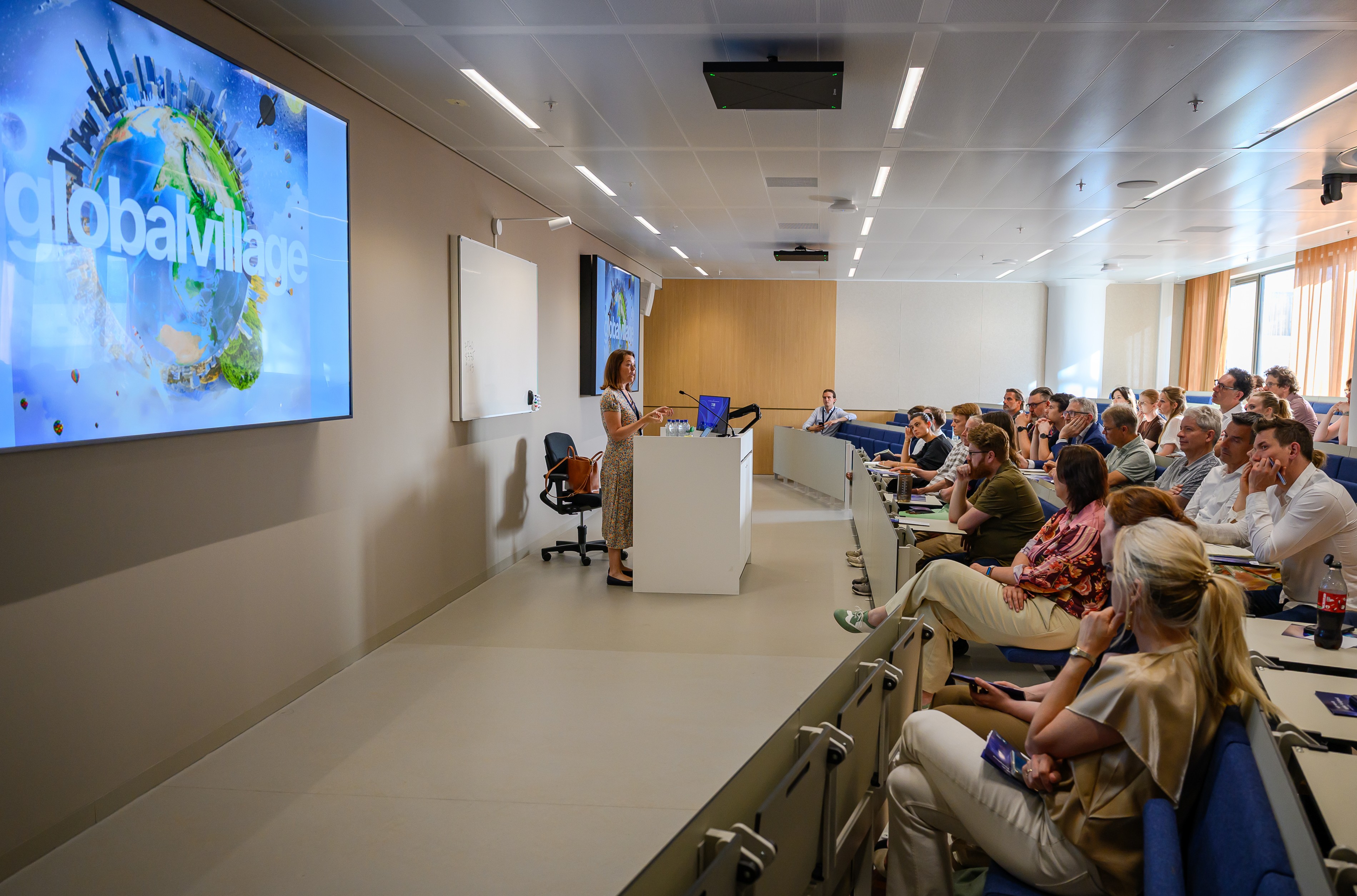
With a full auditorium at the university's Wijnhaven campus, an extensive programme, inspiring speakers and visitors from a wide range of disciplines, all the ingredients were in place for a successful second edition of the Nacht van de Digitale Veiligheid of Digital Security on 26 May 2026.
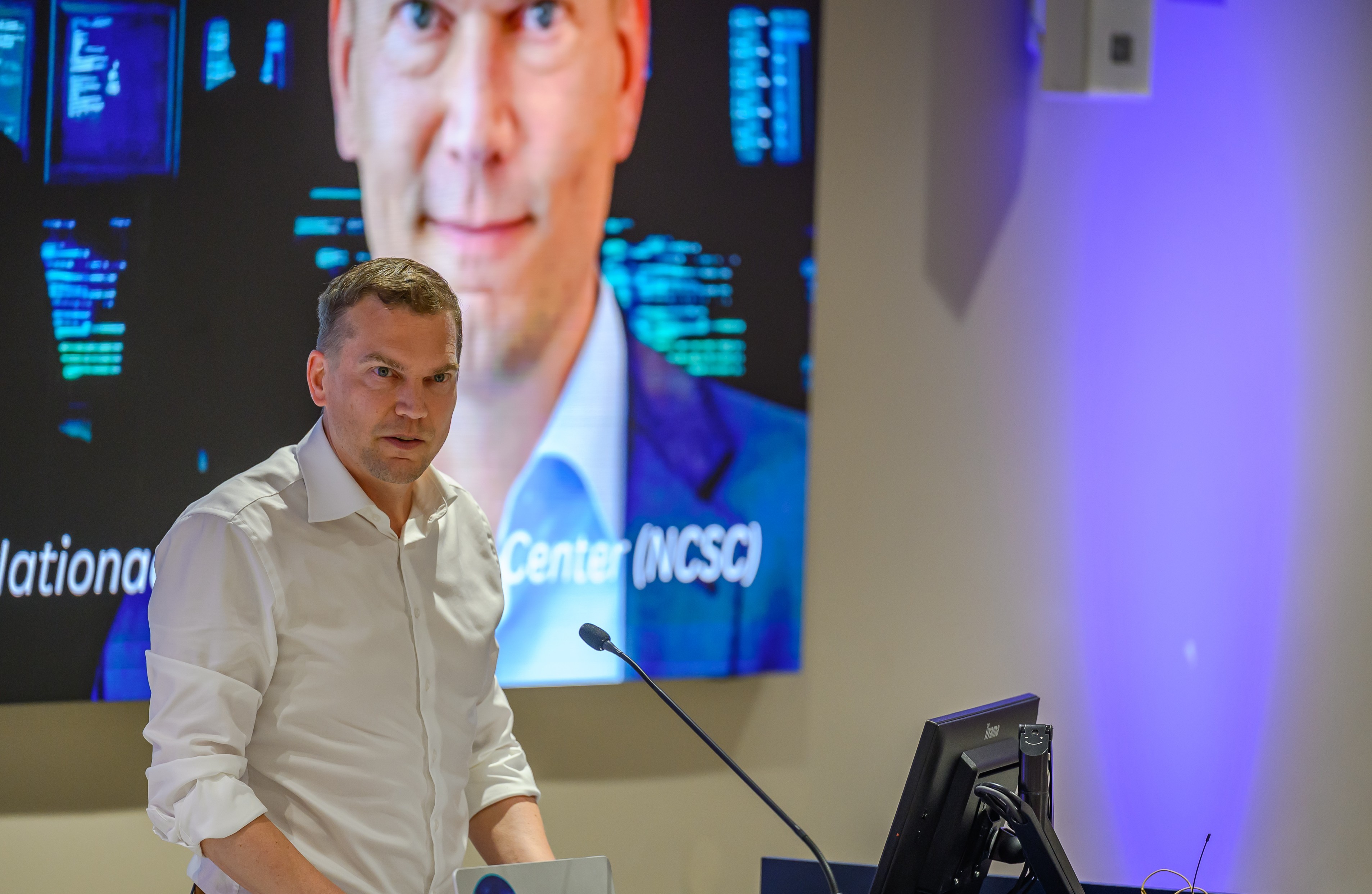
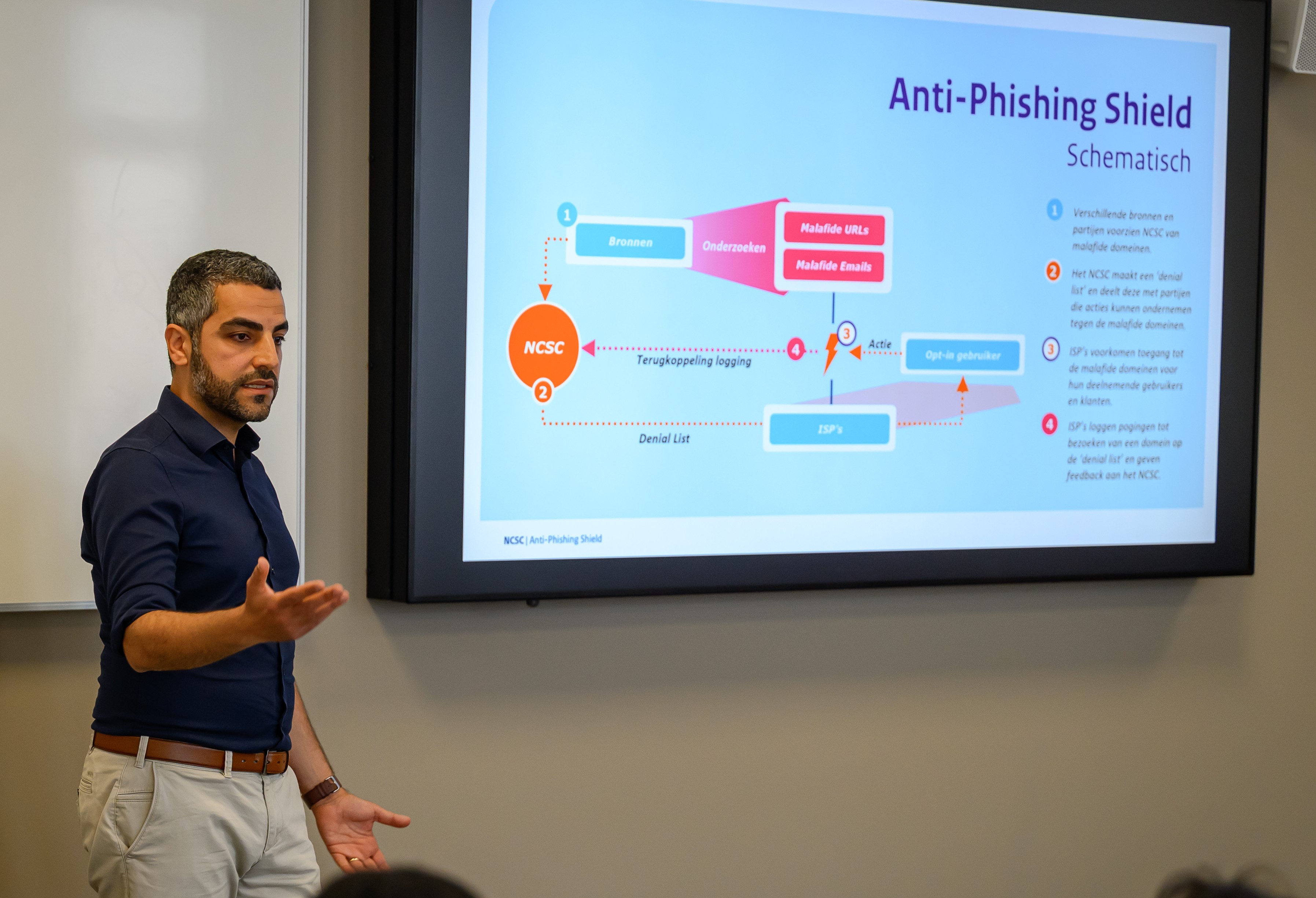
The evening began with a plenary session led by Matthijs van Amelsfoort, Director of the National Cyber Security Centre (NCSC). In his contribution, he spoke about Anti Phishing Shield, a public private collaboration between the telecommunications sector, the police and government organisations designed to identify phishing campaigns more quickly and block them more effectively. In doing so, he demonstrated how cooperation between different parties is essential in the fight against cybercrime.
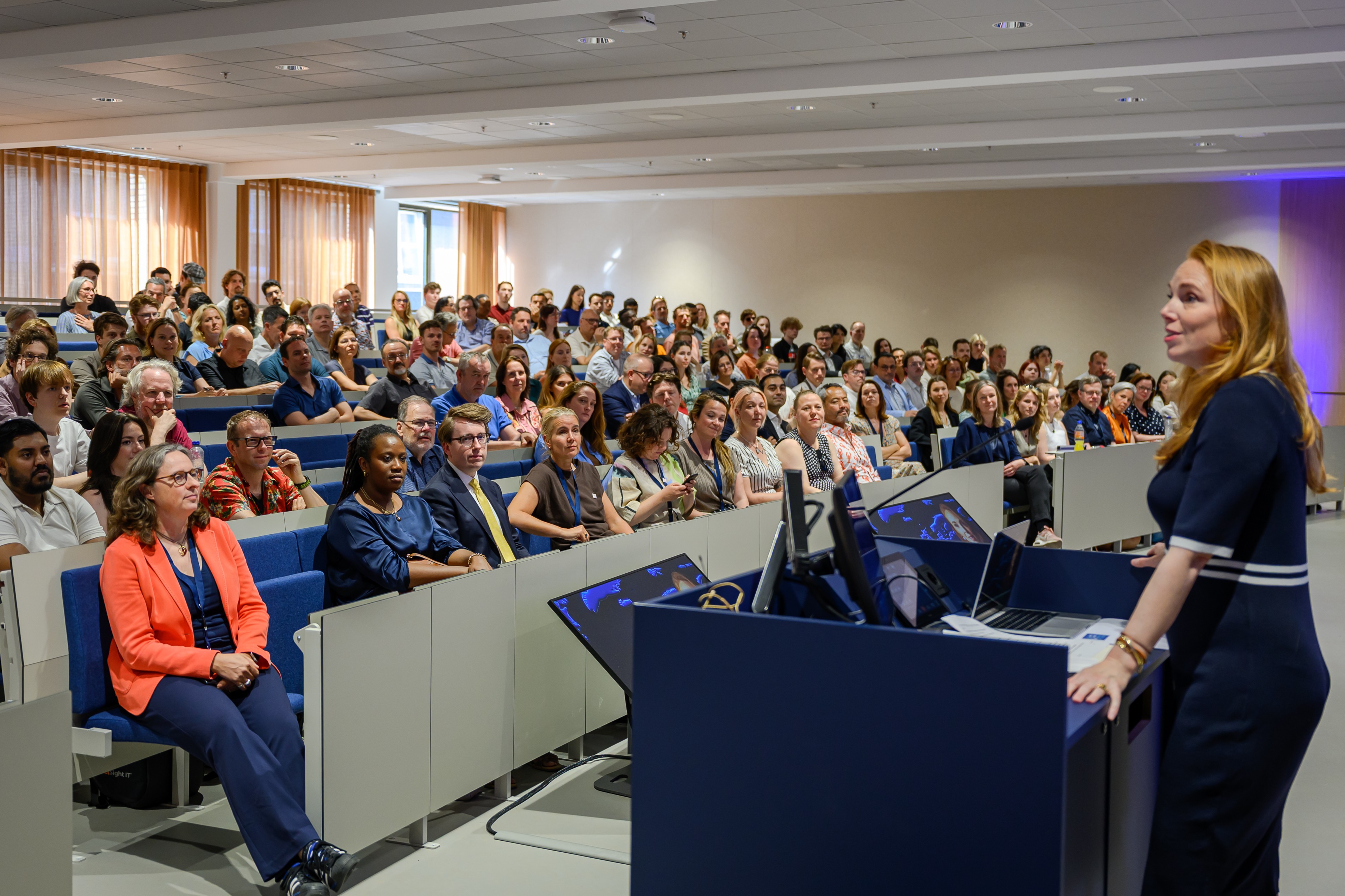
Willemijn Aerdts, Minister for the Digital Economy and Sovereignty, then took the floor. In an inspiring address, she emphasised the importance of shared responsibility: 'To ensure our digital security and sovereignty, we must work together. Not only governments, but also universities, businesses and people at home'. Her recent decision to prohibit the acquisition of Solvinity, the company behind DigiD, by the American company Kyndryl was met with enthusiastic applause from the audience.
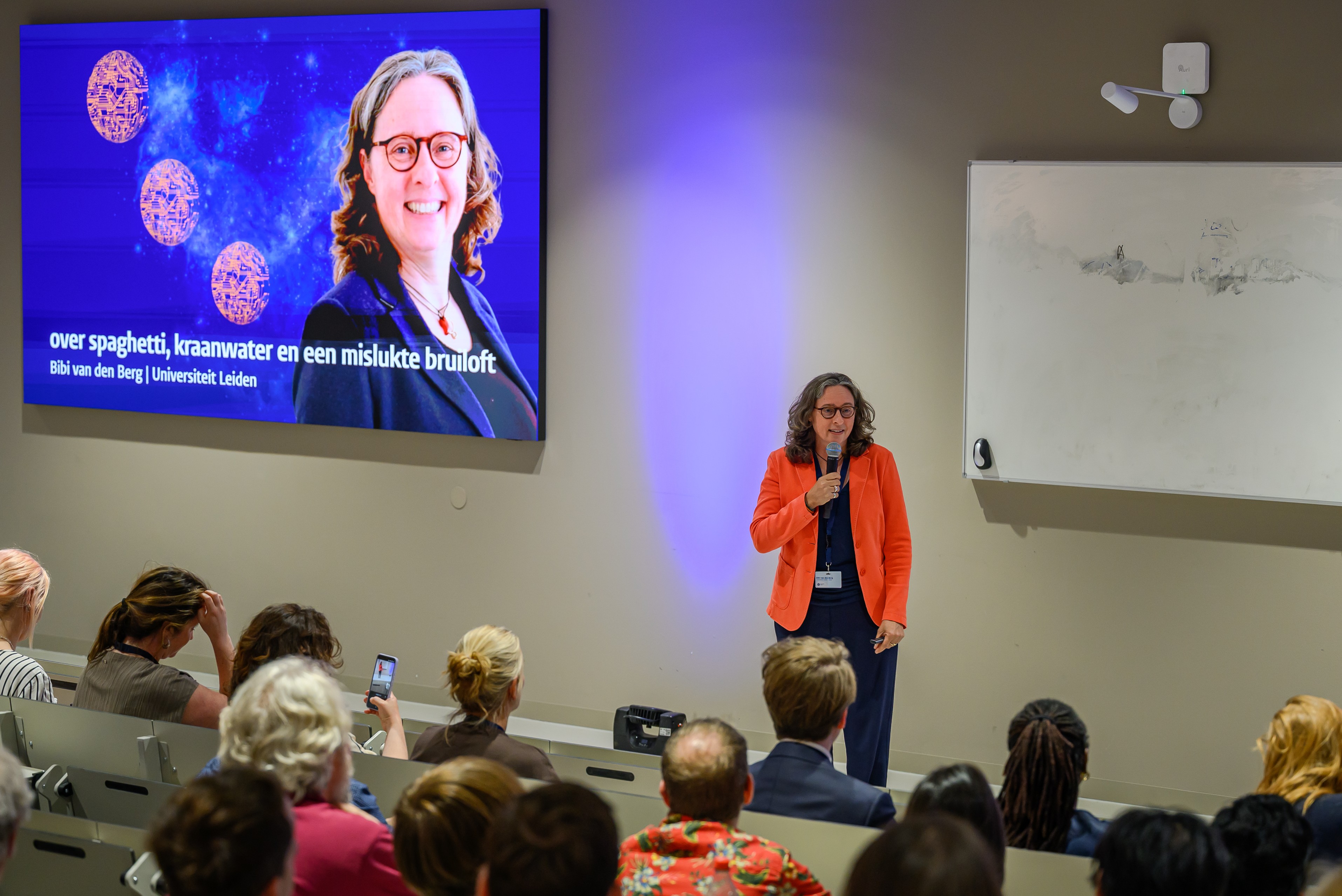
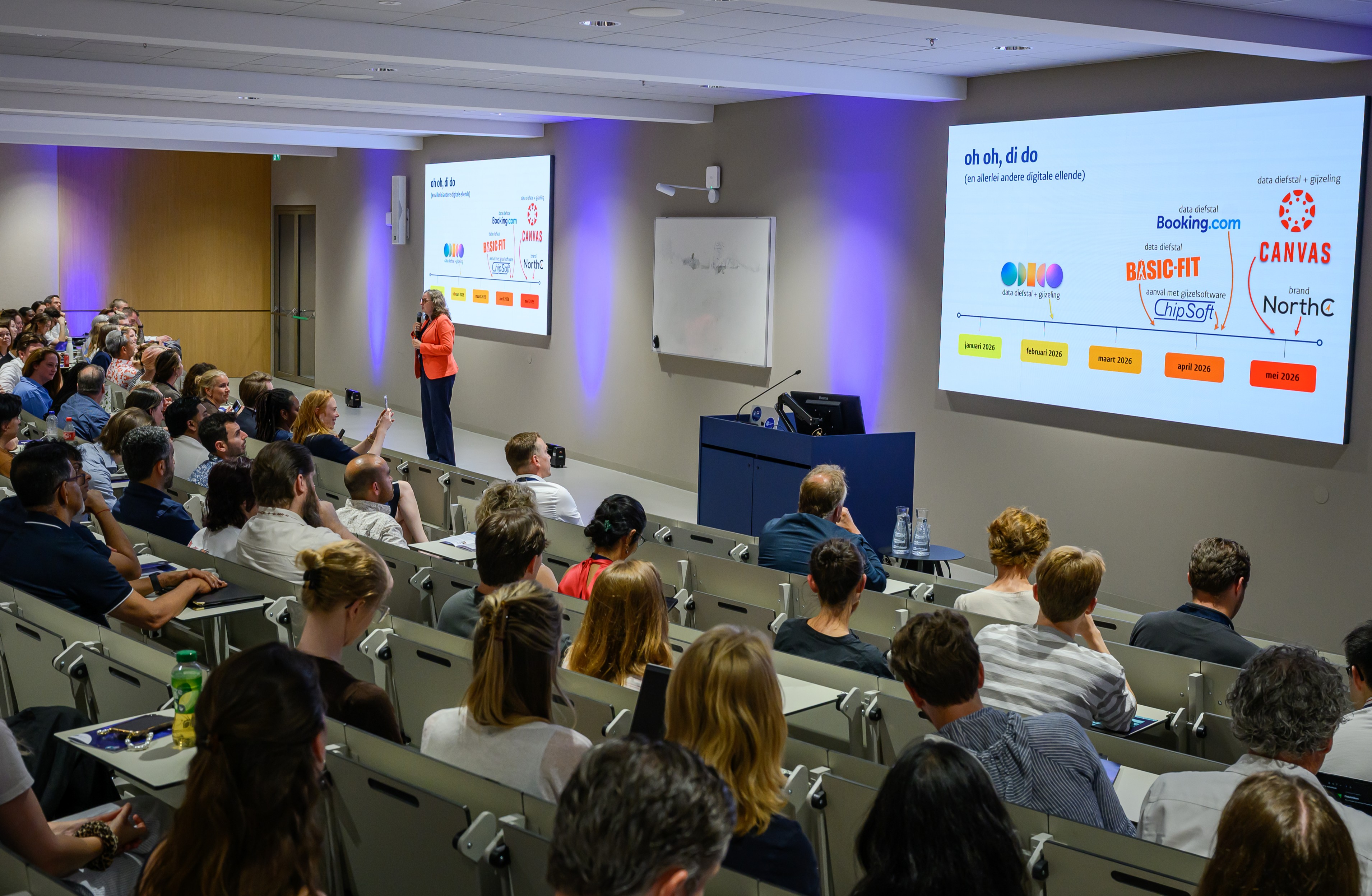
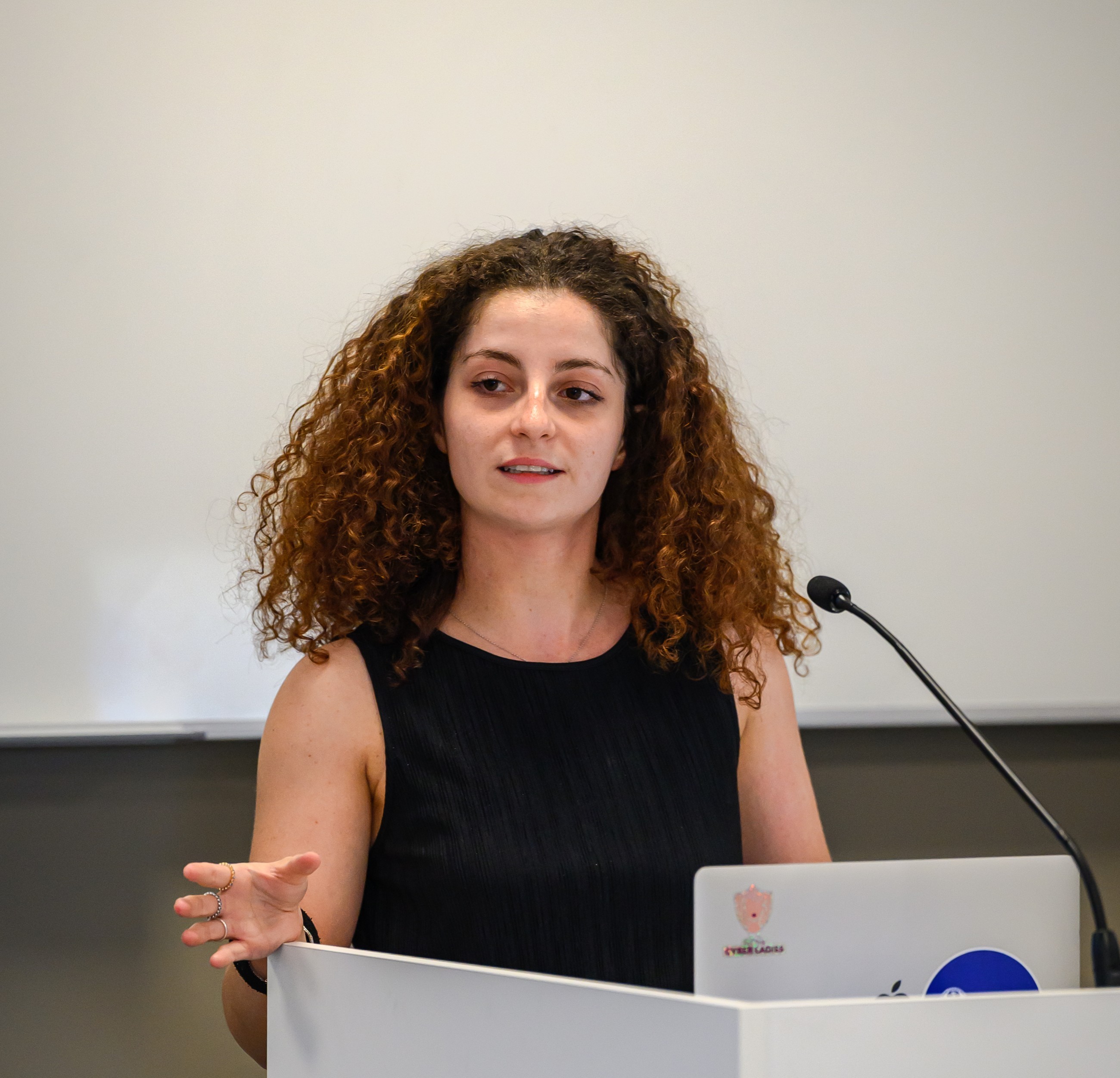
Professor Bibi van den Berg concluded the plenary opening session with an energetic introduction to all guest speakers. Drawing on a variety of examples, she guided visitors through the themes of the evening, ranging from cyber incidents over the past year and the impact of cybercrime to the importance of tap water, a failed wedding and even spaghetti.



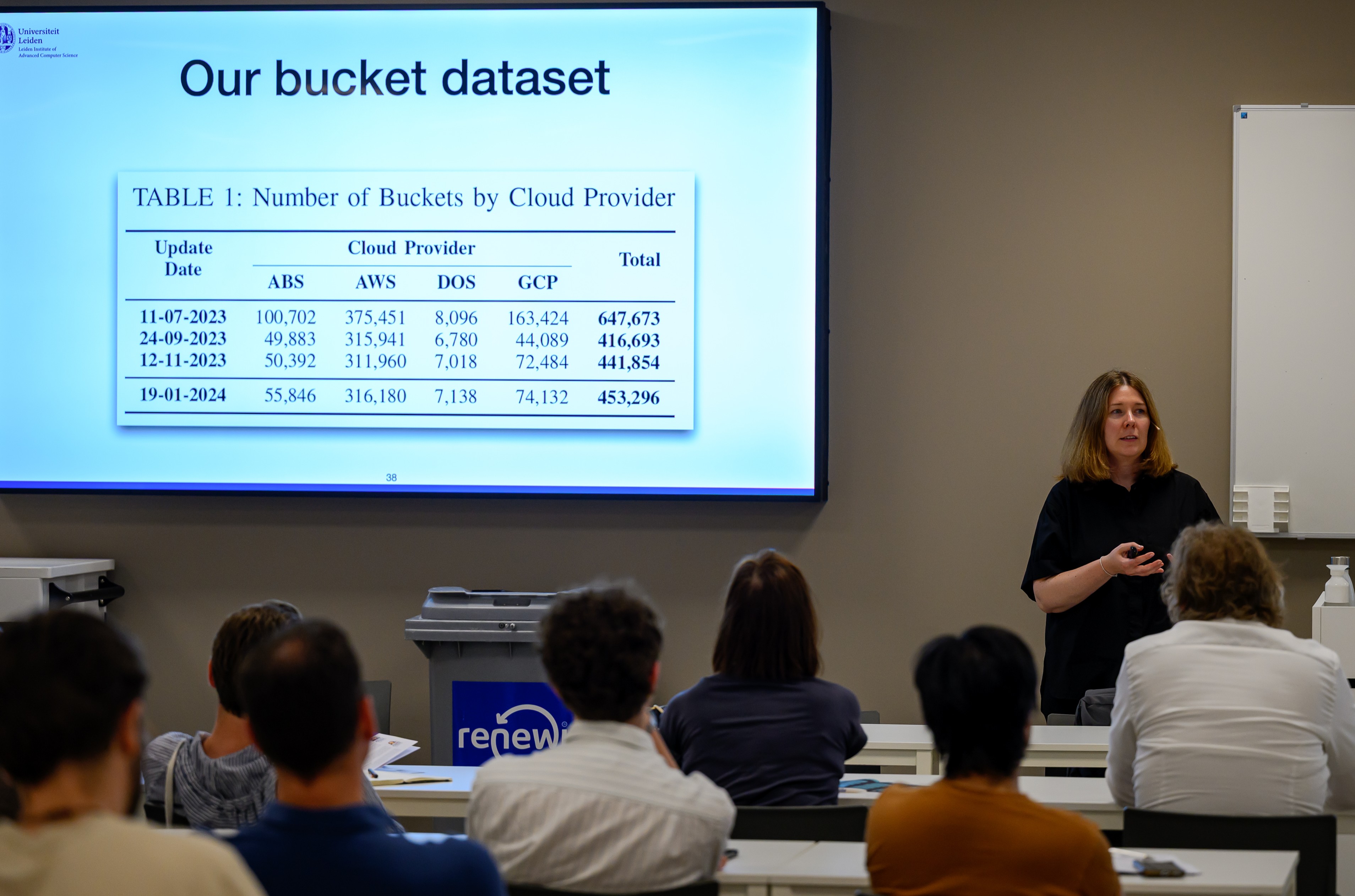
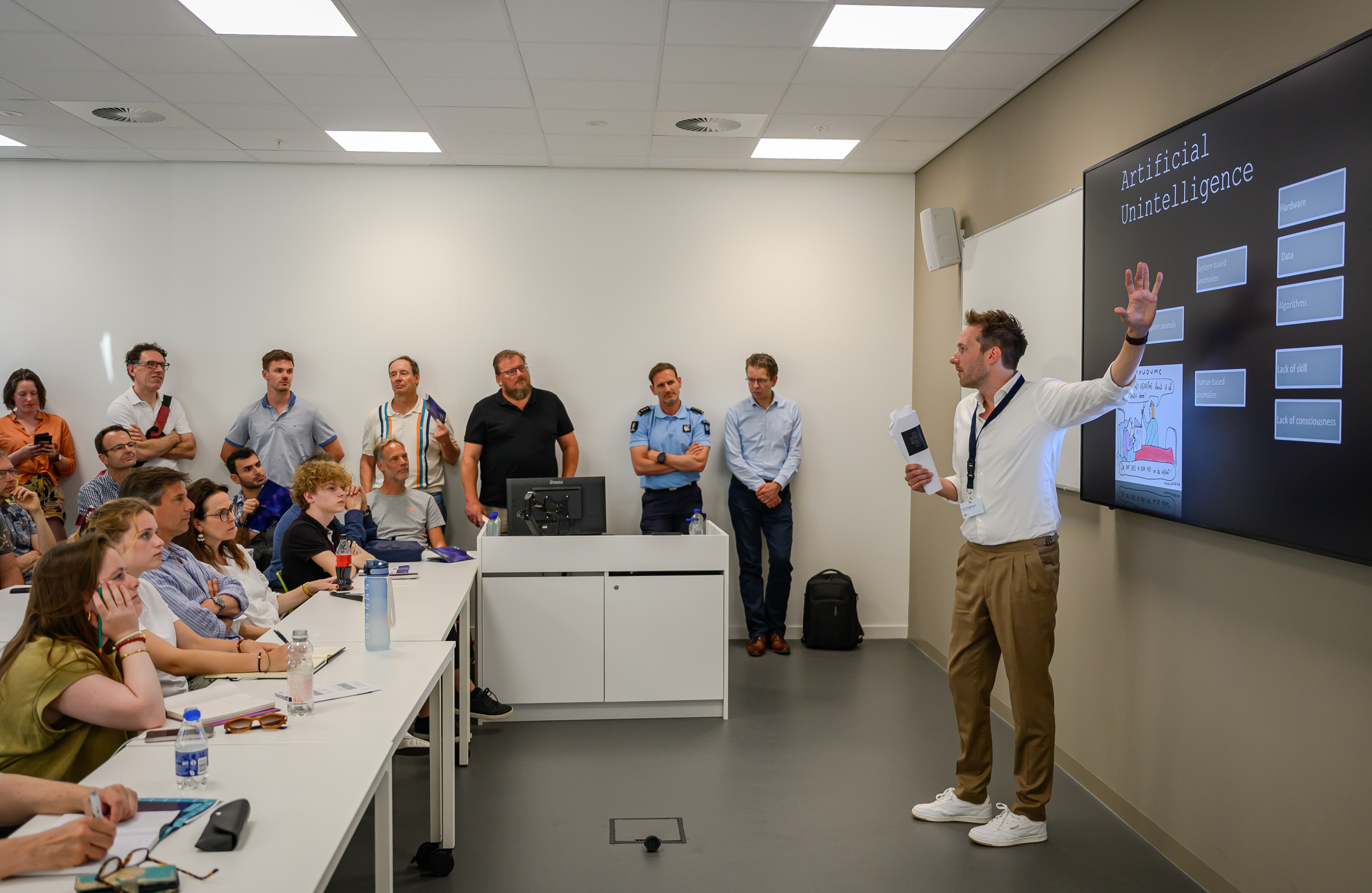
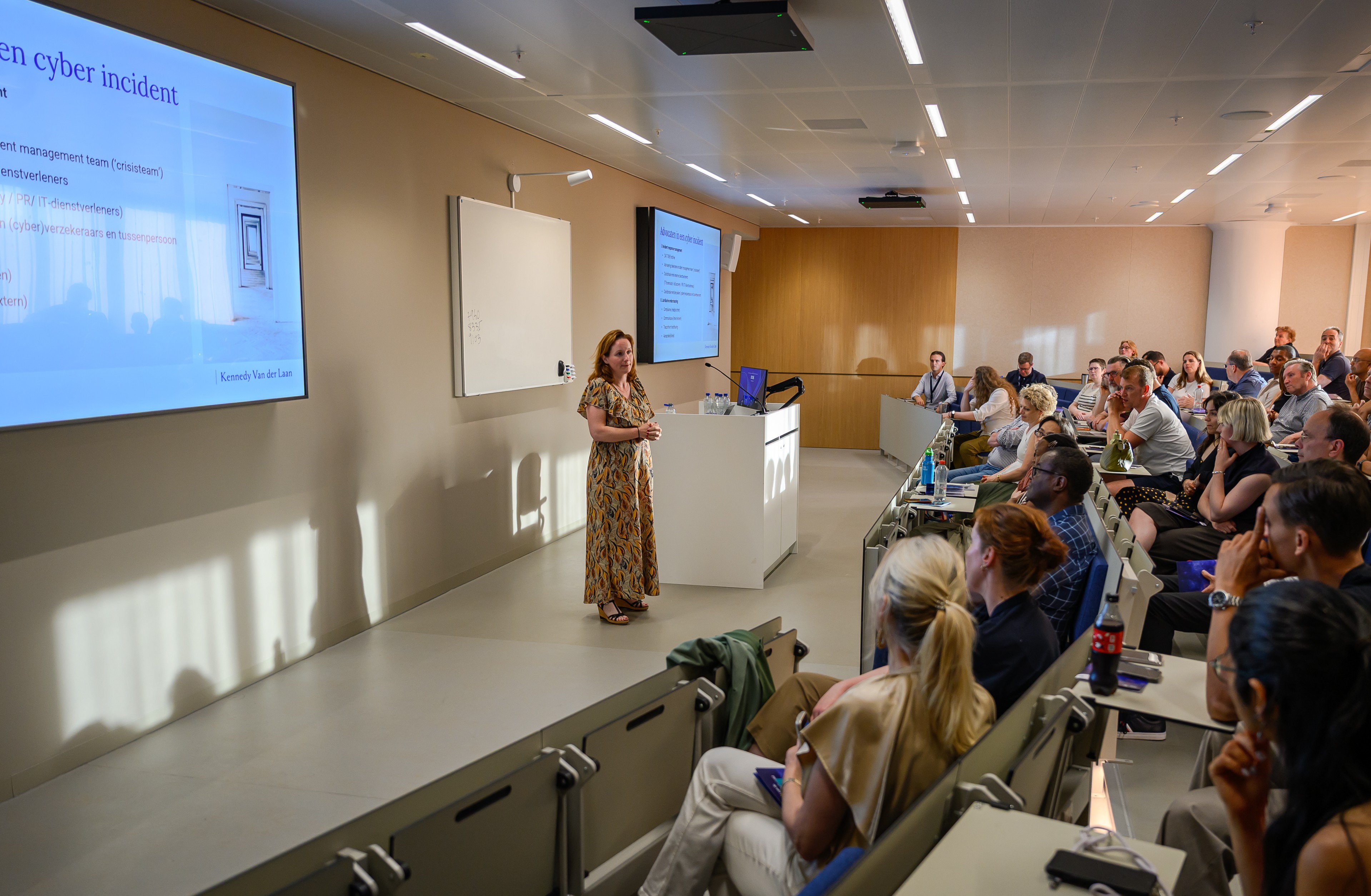

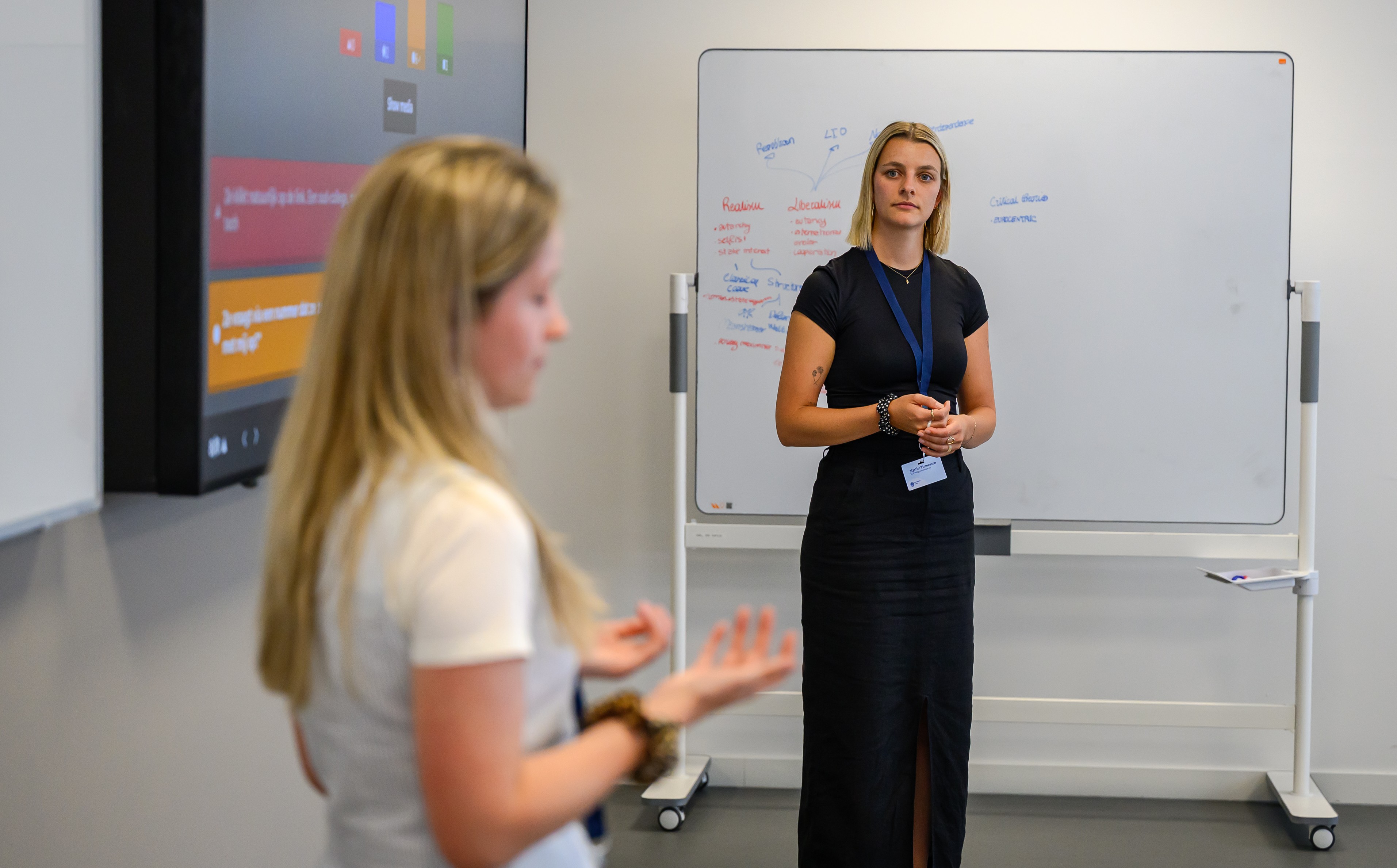

A diverse and engaging programme
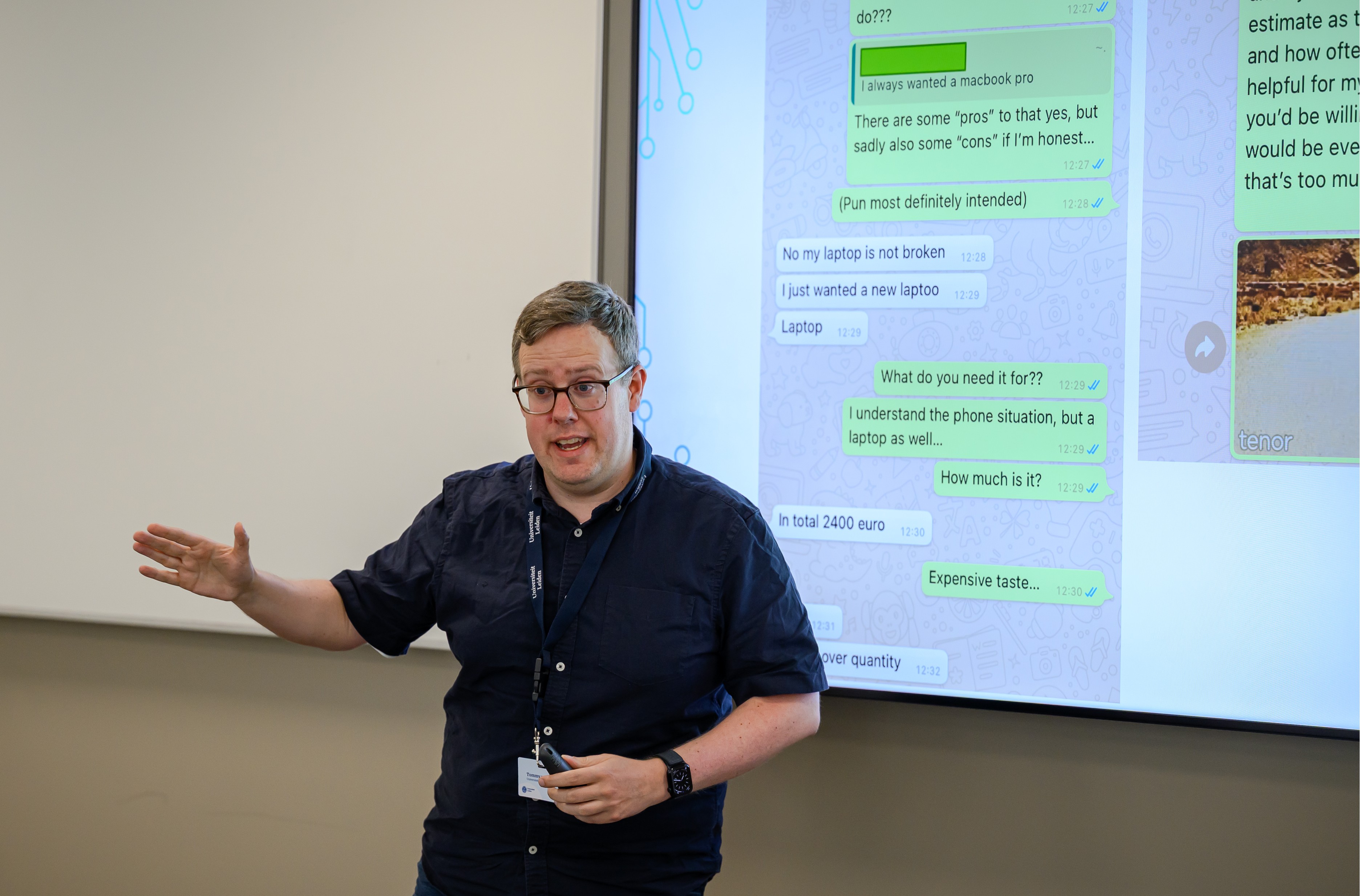
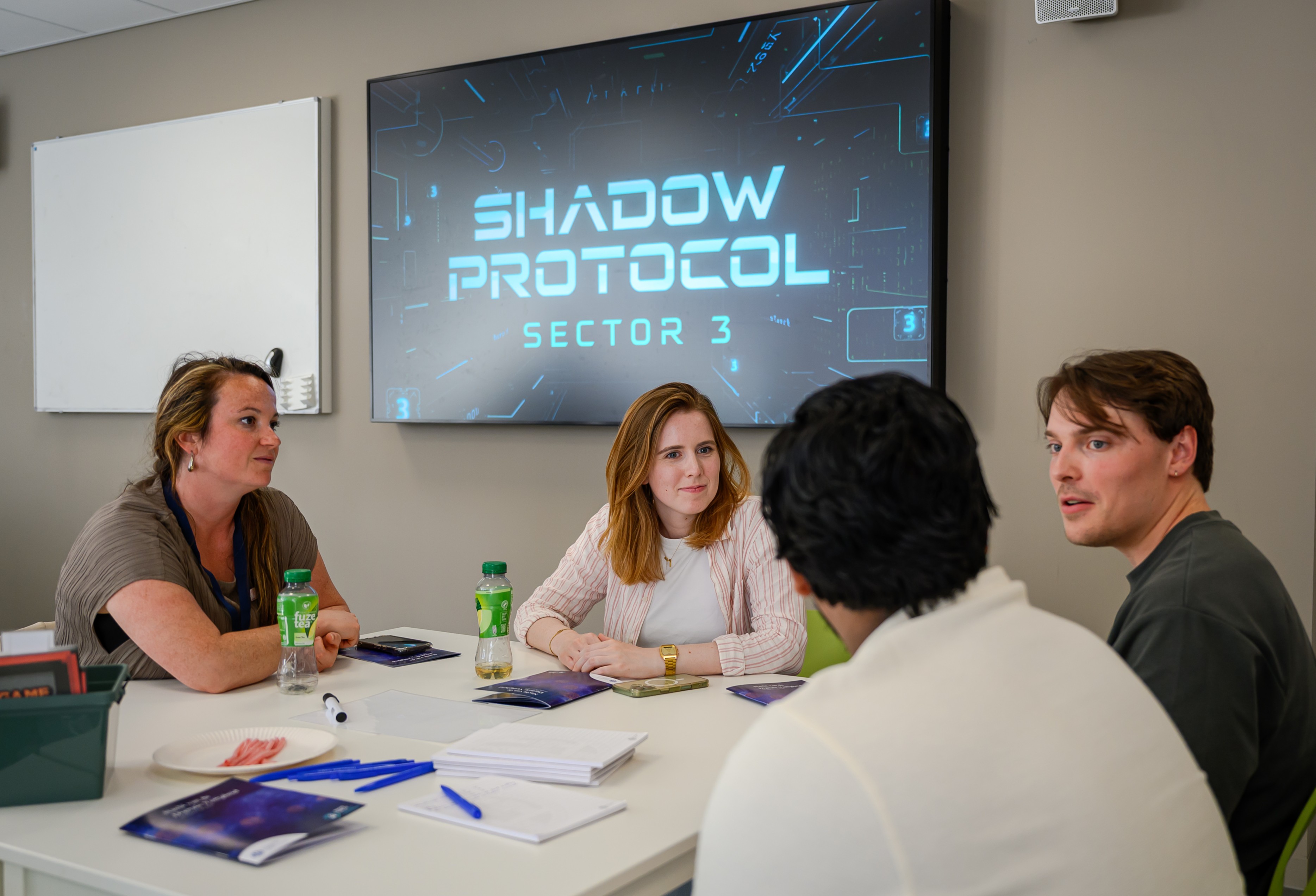
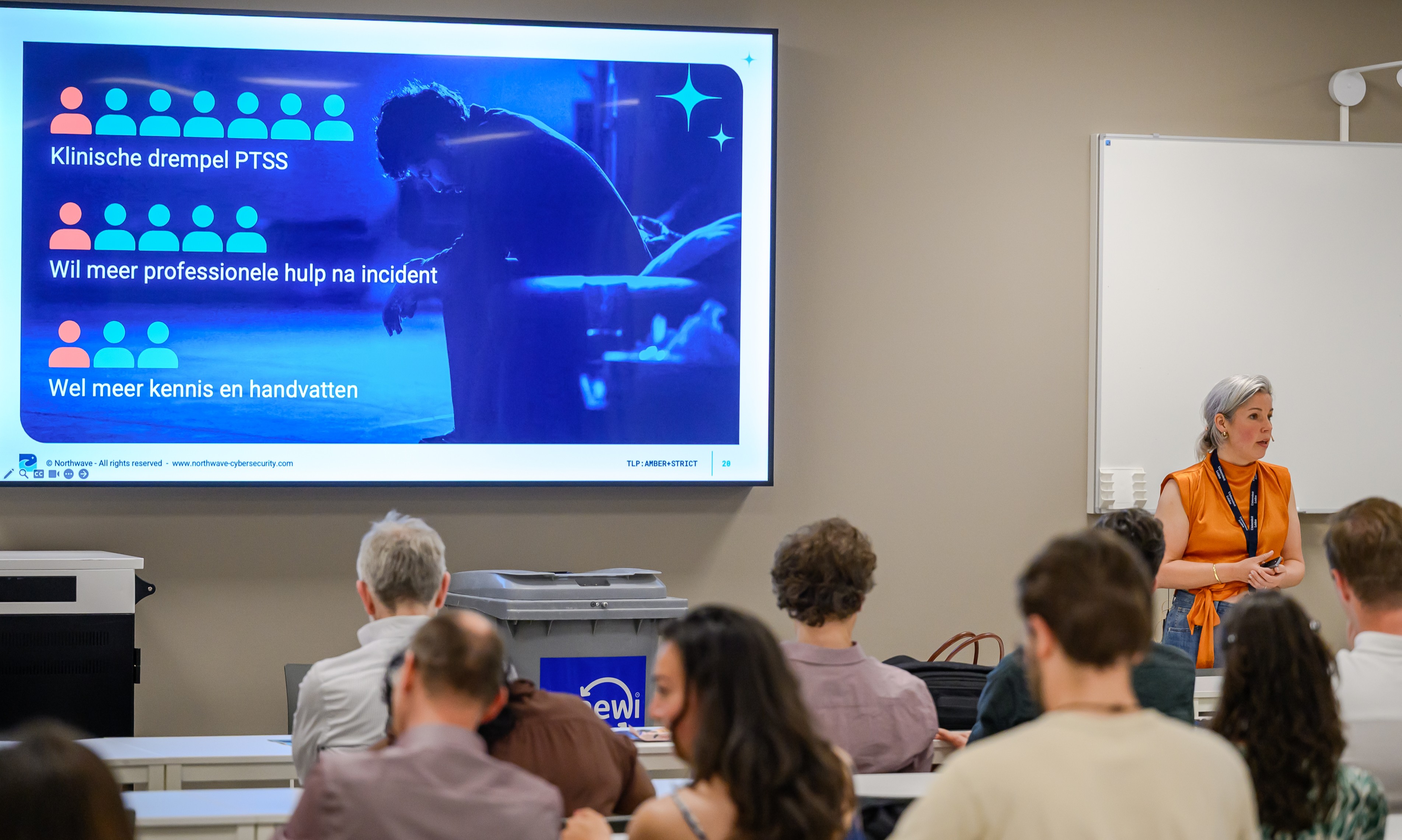
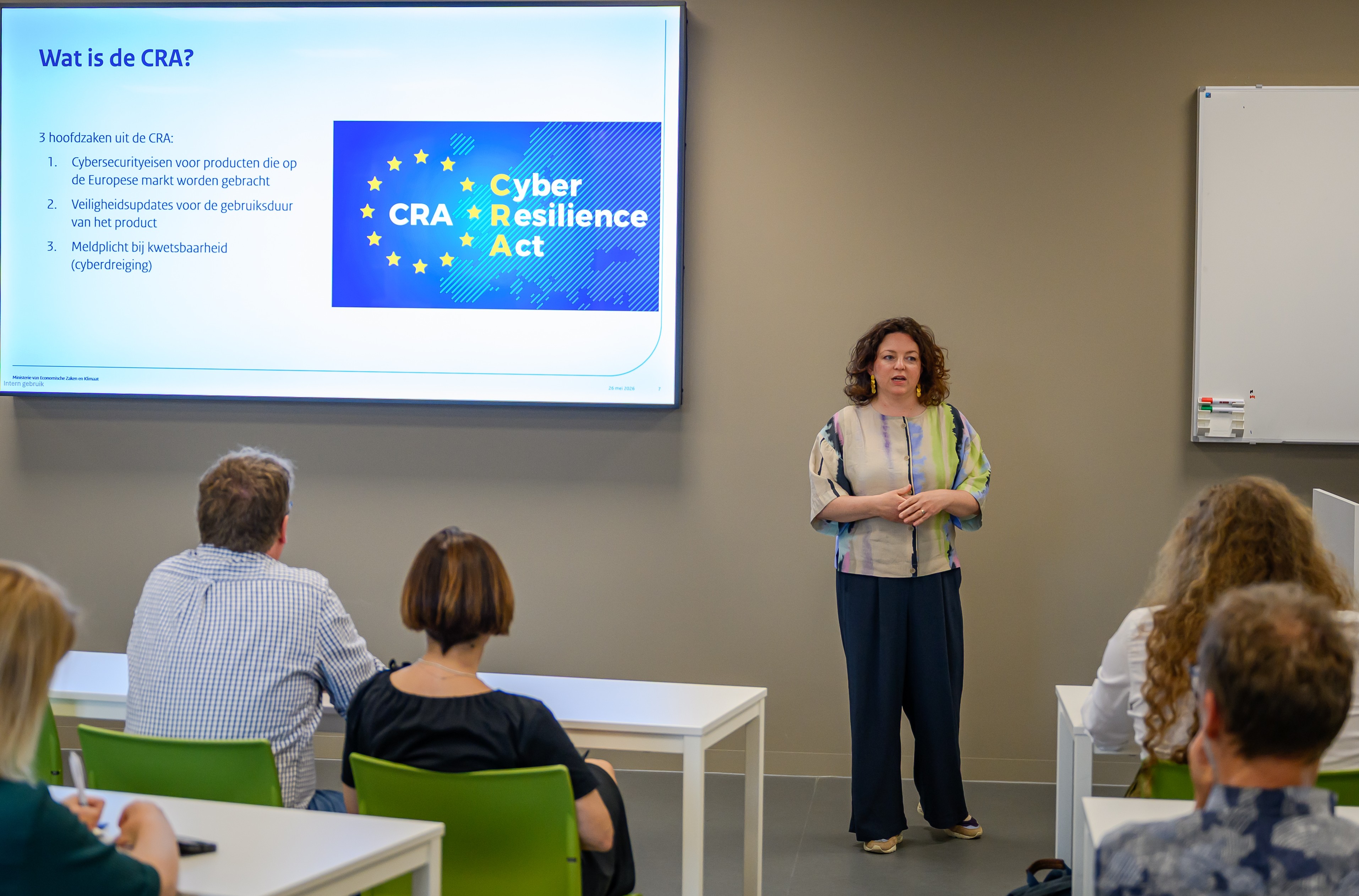
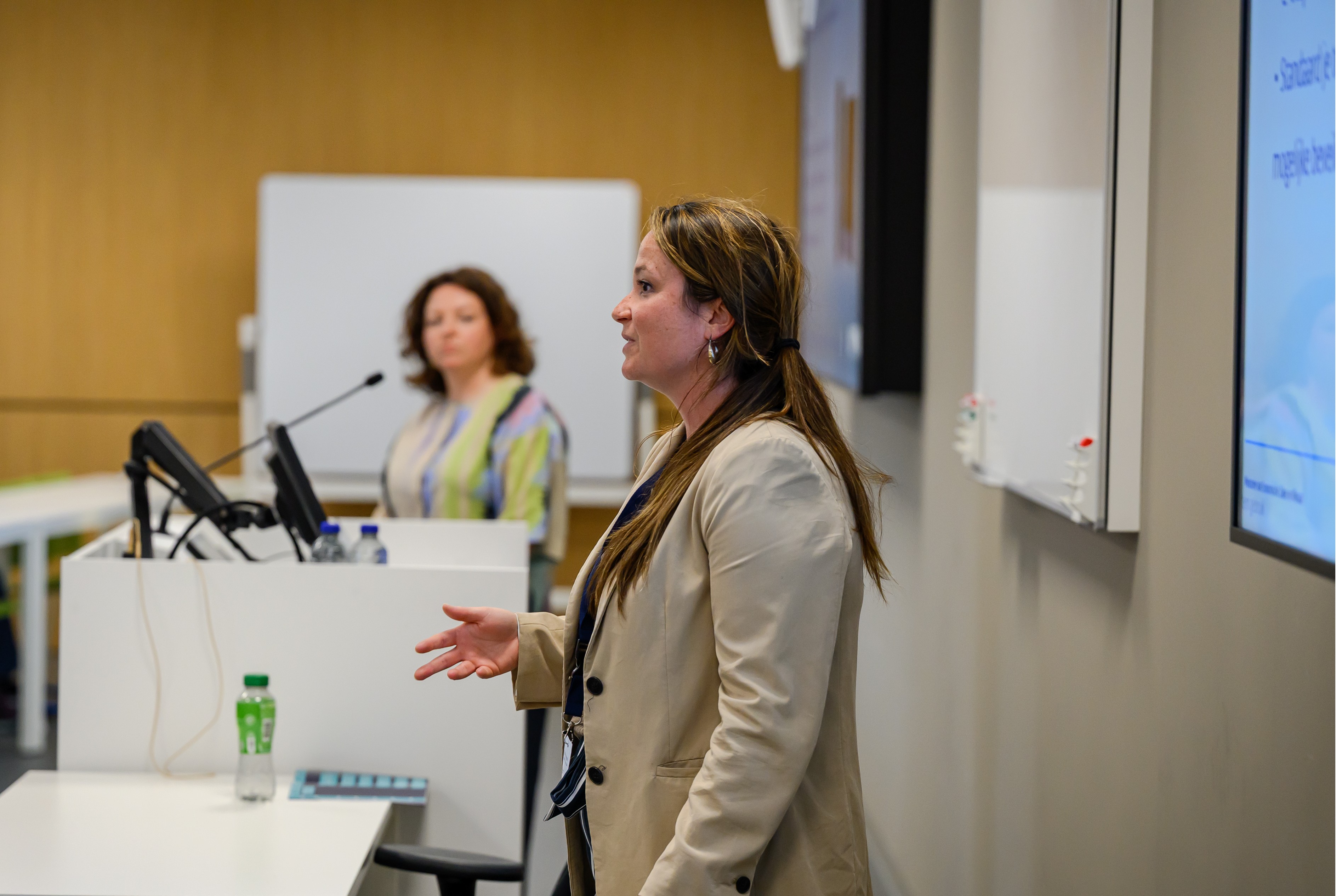
Throughout the evening, visitors took part in a wide variety of activities. These included a ransomware themed escape room, expert lectures, an online safety pub quiz and a crisis communication simulation based on the recent cyber attack on Odido. During the more substantive sessions, speakers discussed the role of lawyers in incident response, the extent to which people trust digital technology, and how the Cyber Resilience Act came into being and what it means in practice.
Prospective Cybersecurity & Cybercrime students in attendance
Despite the tropical temperatures outside, attendance remained strong. Prospective Cybersecurity & Cybercrime student Finley came directly from his French final examination to attend the event. His interest in cybersecurity began through his brother, who already works in the field, and has only grown since then. 'There is enormous demand for people in this field', he said, 'and tonight I hope to gain some insight into where the degree programme might take me'. Daan and Joep, who will also start the programme in September, are equally enthusiastic. They are particularly attracted by the broad nature of the programme. For them, the combination of knowledge from four different disciplines makes the bachelor's programme unique.
A unique combination of perspectives
The Nacht van de Digitale Veiligheid once again brought together a unique combination of academia, government, students, critical sectors and industry. It is precisely this mix that makes the Netherlands digitally resilient. After a successful evening, visitors went home with a clear message: digital security is a shared responsibility.
Curious to find out what was discussed during the sessions? Read more below about the role of Defence, digital chaos and ransomware.
The Role of Defence in Cybersecurity and Societal Resilience - MIVD and DCSC
Speakers from the Military Intelligence and Security Service (MIVD) and the Defence Cyber Security Centre (DCSC) took visitors into the world of digital threats and the role of Defence within it. Central to the session was the concept of the grey zone, the area between peace and conflict in which state actors use digital means to influence or disrupt countries.
The speakers explored topics such as cybersecurity, military cyber operations and cyber resilience, and explained how different defence organisations work together to keep the Netherlands digitally secure. Through recent examples, including the Signal hack and the Coathanger operation, they illustrated the significant impact cyber attacks can have on governments and critical organisations.
The legal framework and authorities of both the MIVD and DCSC were also discussed. The session concluded with an overview of opportunities to collaborate with Defence, for example through reserve positions or Defensity College.
Has the Nacht vande Digitale Veiligheid sparked your interest in cybersecurity and its impact on society?
For professionals who wish to deepen their understanding of digital security, governance and decision making under pressure, Leiden University's Centre for Professional Learning will launch its Cybersecurity Programme on 30 June. Together with lecturers Bibi van den Berg, Daan Weggemans, Christina del Real, Tommy van Steen, Rutger Leukfeldt and Dennis Broeders, participants will engage with current issues surrounding cyber threats, public responsibility and digital resilience.
Read more (in Dutch)Surviving Digital Chaos – Lies de Wit
During her session Surviving Digital Chaos, Lies de Wit, Chief Information Security Officer (CISO) at Stater, demonstrated how technology not only makes our lives easier, but also creates new forms of uncertainty and unease. Thanks to smartphones and social media, people are better informed and more connected than ever before, yet at the same time crises and threats often feel constantly close at hand.
According to De Wit, algorithms, confirmation bias and echo chambers play a major role in this. People are primarily exposed to information that reinforces their existing beliefs, making it more difficult to distinguish facts from feelings. Nevertheless, she stressed that concerns about technological change are nothing new and that previous innovations also faced resistance.
Using the BANI framework, De Wit showed how organisations can deal with uncertainty and unexpected crises. Her key message was clear: remain critical, be aware of your information bubble and, despite the many challenges, do not lose faith in technological progress.