
What makes the perfect student? Fifteen African educators share their perspectives
How can universities help students become more independent learners? Fifteen teacher researchers from Kenya and Nigeria travelled to the Netherlands for the first joint international Learning Mindset workshop, where they exchanged ideas, developed teaching innovations and laid the foundations for a growing international network.
Different cultures, common questions
What makes the perfect student? That unexpected question opened the first joint international Learning Mindset Small Grants workshop. Everyone agreed that the ideal student is academically strong but also motivated, disciplined, resilient, autonomous, and of good character.
But what counts as ’good character’ sparked an animated debate. Our Nigerian colleagues described universities as having a broader responsibility for students' character, even beyond campus. The Kenyan response was immediate: ‘That's a job for the parents and the police!’ The room erupted in laughter and the exchange opened a fascinating discussion about where education ends, personal autonomy begins, and how these boundaries differ across cultures.
The Kenyan response was immediate: That's a job for the parents and the police!
The workshop introduced Learning Mindset, an educational innovation programme developed by Caroline Archambault and David Ehrhardt at Leiden University College. The programme supports teacher researchers in designing, testing and evaluating classroom innovations that help students take greater ownership of their learning, connect their studies to personal goals and develop the skills to regulate their own progress.
Learning from different contexts
As the conversations unfolded, participants discovered that they shared many of the same ambitions while approaching them in different ways. They discussed how students stay motivated, what independent learning looks like in their own institutions and how universities can prepare students for a rapidly changing world.
One idea kept returning throughout the week. Student autonomy does not mean leaving students to figure everything out on their own. It means creating learning environments that help them make informed choices, reflect on their progress and develop confidence in their own abilities.
Turning ideas into practice
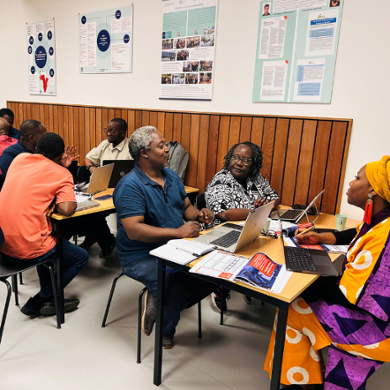
Ideas quickly moved from discussion to design as participants alternated between workshops at Leiden University College and the African Studies Centre. They explored Learning Mindset tools, adapted activities to fit their own classrooms and refined their plans with feedback from colleagues. An ICLON Knowledge Café on student wellbeing and teacher student interaction added new perspectives, while informal conversations throughout the week helped participants compare experiences from their own universities and learn how similar challenges play out in different contexts.
By the end of the week, every participant had developed a project ready to implement at home. Some projects will support first year students as they adjust to university life. Others explore AI supported learning, leadership development, environmental education, social entrepreneurship or teacher education. While each initiative responds to its own educational context, they all aim to help students become more active and self directed learners.
What's next for Learning Mindset
The workshop marked the start of the first Learning Mindset Small Grants Programme, which is conducted in partnership with the University of Ghana, Nuvoni in Kenya, and the development Research and Projects Centre (dRPC) in Nigeria. 19 projects across these three countries will be launched during the coming academic year, with a second funding round this autumn expanding the programme to 45 projects.
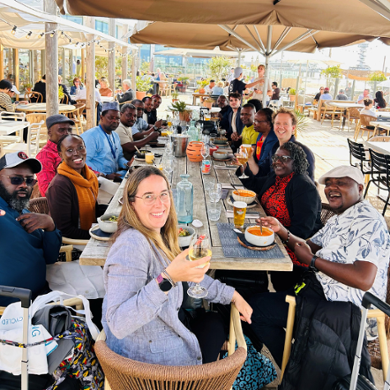
Participants returned home with more than implementation plans. They left with fresh perspectives and the confidence to introduce educational innovations within their own institutions. The week ended with a shared dinner on Scheveningen beach, celebrating the start of a partnership that will continue as the projects take shape across three countries.