
Maarten Lubbers searches for hidden treasures in the lab and at flea markets
During the week, Maarten Lubbers looks for new ways to influence bacterial growth. In his spare time, the Leiden-based researcher hunts for antique treasures, which he restores and sells. ‘You’re giving something a new lease of life. I think that’s incredibly rewarding.’
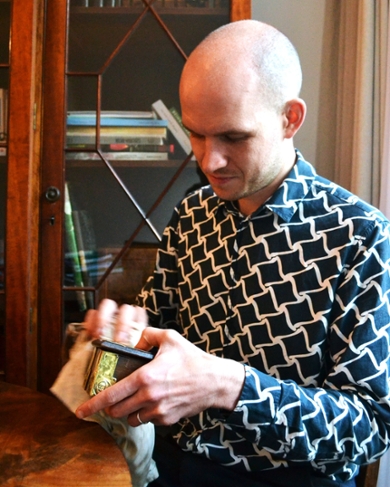
Like many people, Maarten’s passion received a boost during the coronavirus pandemic. ‘Social life came to a standstill, and I thought: I need to find something new to do.’ During the first year of his master’s degree, he registered a business and started trading antiques alongside his studies. The interest did not come out of nowhere. ‘My parents collect Art Deco objects. I grew up surrounded by beautiful old items, which taught me to appreciate their value.’
Antique restoration is like a mini renovation
When Lubbers started his PhD in the research group of Dennis Claessen and Gilles van Wezel, he continued working with antiques at weekends. ‘It’s a nice contrast to my day job.’ Lubbers enjoys working with his hands. ‘My father is very practical and used to do a lot of DIY projects. I helped out with renovations from a young age. Antique restoration is really a kind of mini renovation. I love that creative side of it.’
He searches auctions, antique fairs and charity shops for Art Nouveau and Art Deco pieces, which he then restores himself. ‘The wiring in old lamps is often worn out, so I rewire them.’ Metalwork, woodworking and stained-glass restoration are also among his skills. He learned many of these techniques from his father, while others came through hands-on experience.
He sells the restored pieces through the online auction platform Catawiki. ‘Sometimes someone buys an object they’ve been searching for for years. Seeing how happy it makes them is wonderful.’
Patience pays off
Some restoration projects require a great deal of patience. Lubbers once had a bronze sculpture that was missing its marble base. ‘I knew exactly which base I needed, and I ended up searching for two years before I found the right one. Only then could I fully restore the sculpture.’
One of his most remarkable finds is an eighteenth-century microscope made by the English instrument maker Culpeper, complete with its original microscope slides. ‘As a scientist, that made it especially fascinating to me.’
-
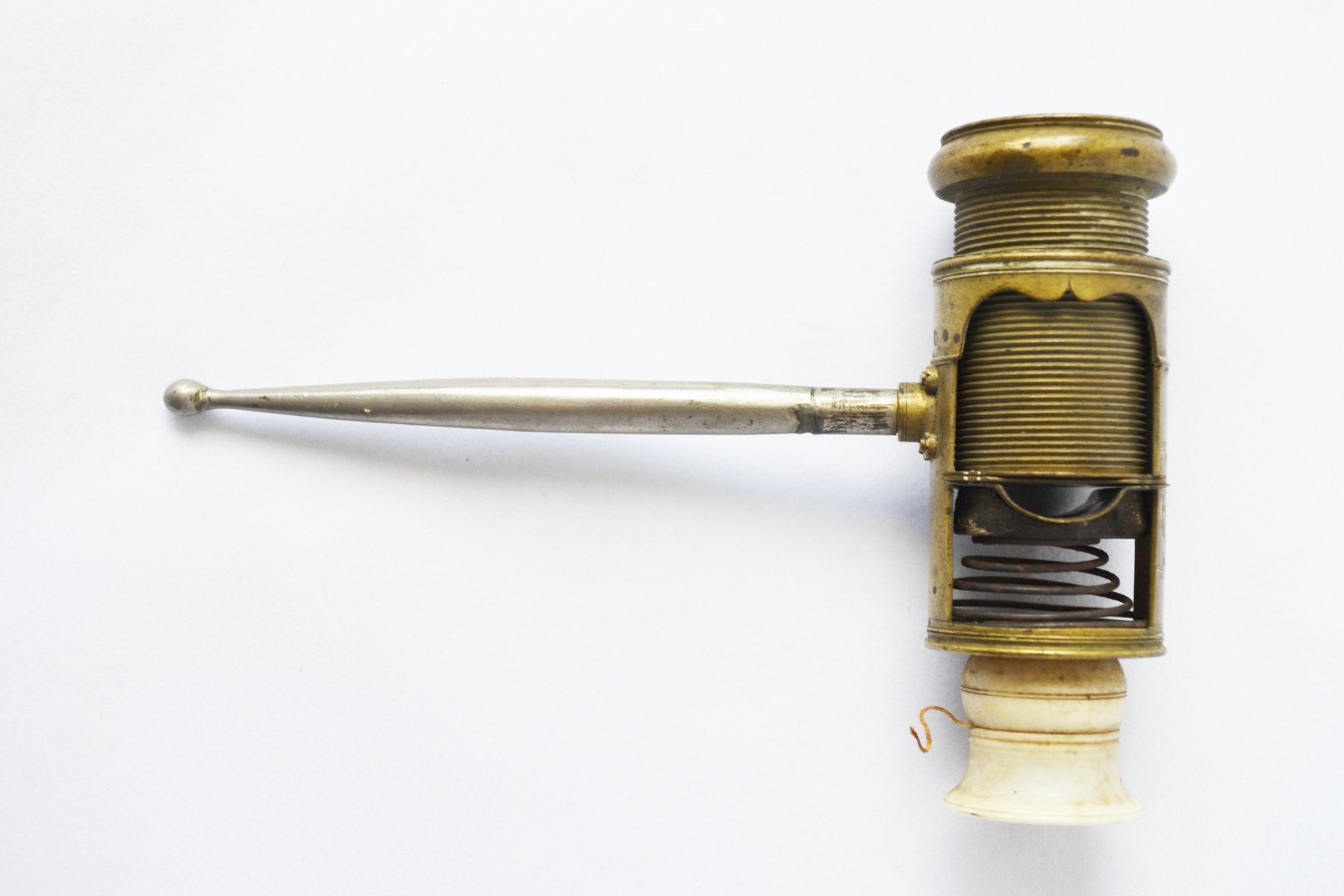
Antique eighteenth-century brass microscope by Culpeper. -

Art Nouveau glass vase by Loetz, Crete Papillon design. -

Art Nouveau bronze seal depicting a lady. -
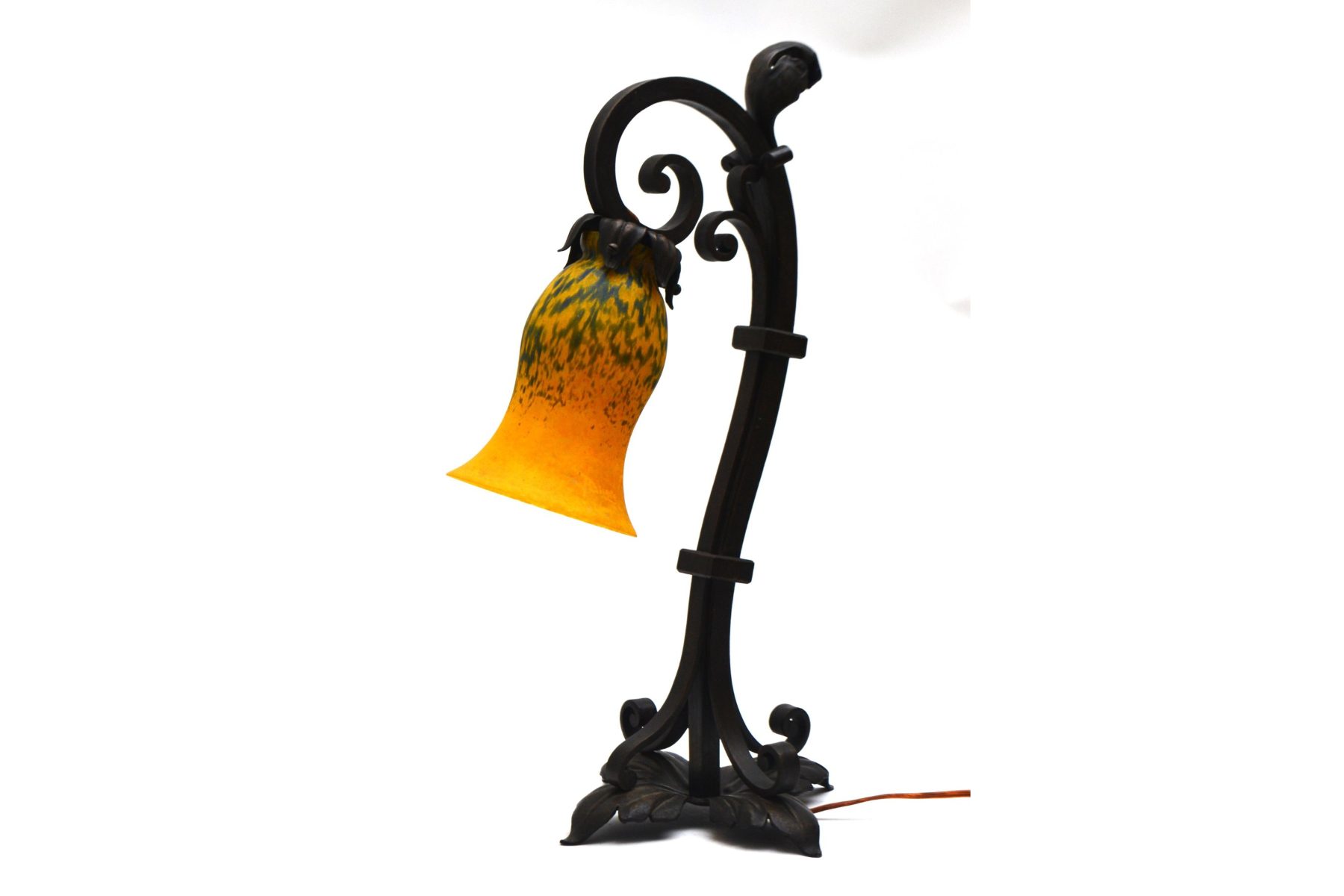
Art Nouveau wrought-iron table lamp with glass shade by André Delatte. -
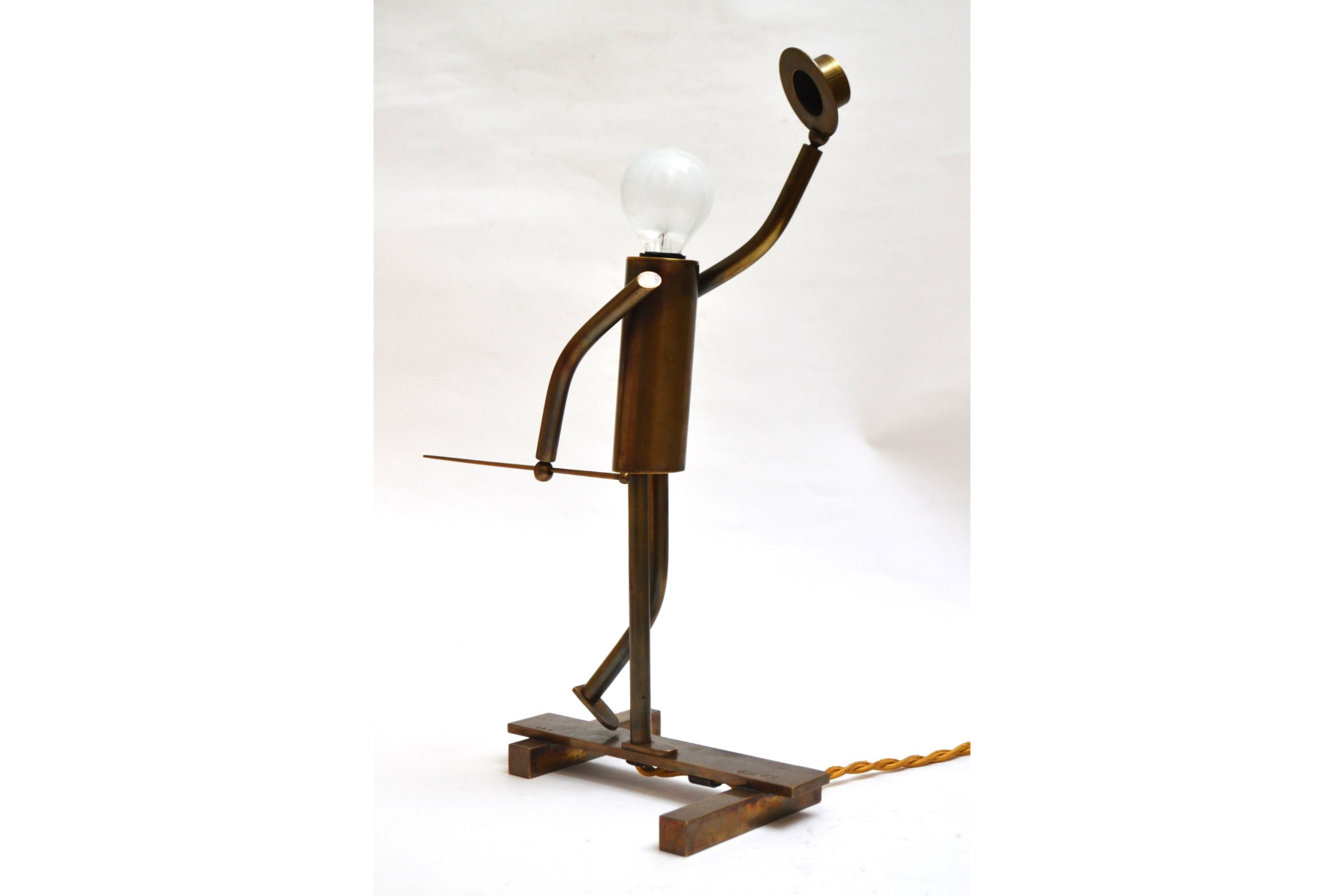
Austrian Art Deco brass table lamp depicting a gentleman walking with a hat and cane.
Selling antiques means being willing to take risks
According to Lubbers, science and antiques have more in common than people might think. ‘In both fields, you need to think analytically. As a scientist, you can’t carry out every experiment you come up with. You have to make choices. The same applies to antiques. At an antique fair, you can’t buy everything you come across.’
The most important lesson he has learned from trading antiques is the importance of taking risks. ‘Sometimes you lose money on an object. I found that difficult at first, but eventually you learn that not everything is predictable. The same is true in research. You have to accept that not everything will deliver the outcome you hoped for.’