
Marco Cinelli receives Bernard Roy Award 2026
Researcher Marco Cinelli received the Bernard Roy Award 2026 for his work on Multiple Criteria Decision Analysis (MCDA). The award honors researchers for an outstanding body of work or contribution to the methodology and applications of MCDA.
The award was presented during the 102nd meeting at ETH Zurich, organised by the Paul Scherrer Institute. The EURO Working Group on Multiple Criteria Decision Aiding (EWG MCDA) awarded the Bernard Roy Award to Marco Cinelli, Assistant Professor at Leiden University College (LUC) and at the Institute of Environmental Sciences (CML). MCDA helps compare different options using a set of criteria or indicators. It helps people make a final decision by giving each option a score, ranking them, or placing them into groups.
The DESIRE Initiative
During his award lecture, Marco presented the ‘Decision Engineering for Sustainability and Resilience’ (DESIRE) Initiative. The DESIRE Initiative was started by Marco more than ten years ago and it develops decision support systems to assess sustainability and resilience. The work is organised around three objectives:
- Asking the right questions (criteria). Good decisions start with good criteria, developed together with the people who will use them. Examples include a framework for nature-based flood management developed with the Red Cross, and the choice of welding solutions in the Lasers4Maas project.
- Managing trade-offs (algorithms). Marco introduced the need to manage trade-offs by accounting for the priorities of different decision-makers. He showed examples from systems he has shaped, among them the criticality classification of raw materials, the ranking of laser welding options, and the identification of suitable locations for deploying personnel for humanitarian aid.
- Putting methods in everyone's hands (software). To make MCDA methods usable, Marco developed MCDA-MSS, a software that recommends the most suitable MCDA method for different problem formulations. He also developed solutions to apply these methods, with safe and sustainable by design as a key area. This is especially true for ENKORE, a European project on sustainable healthcare.
-
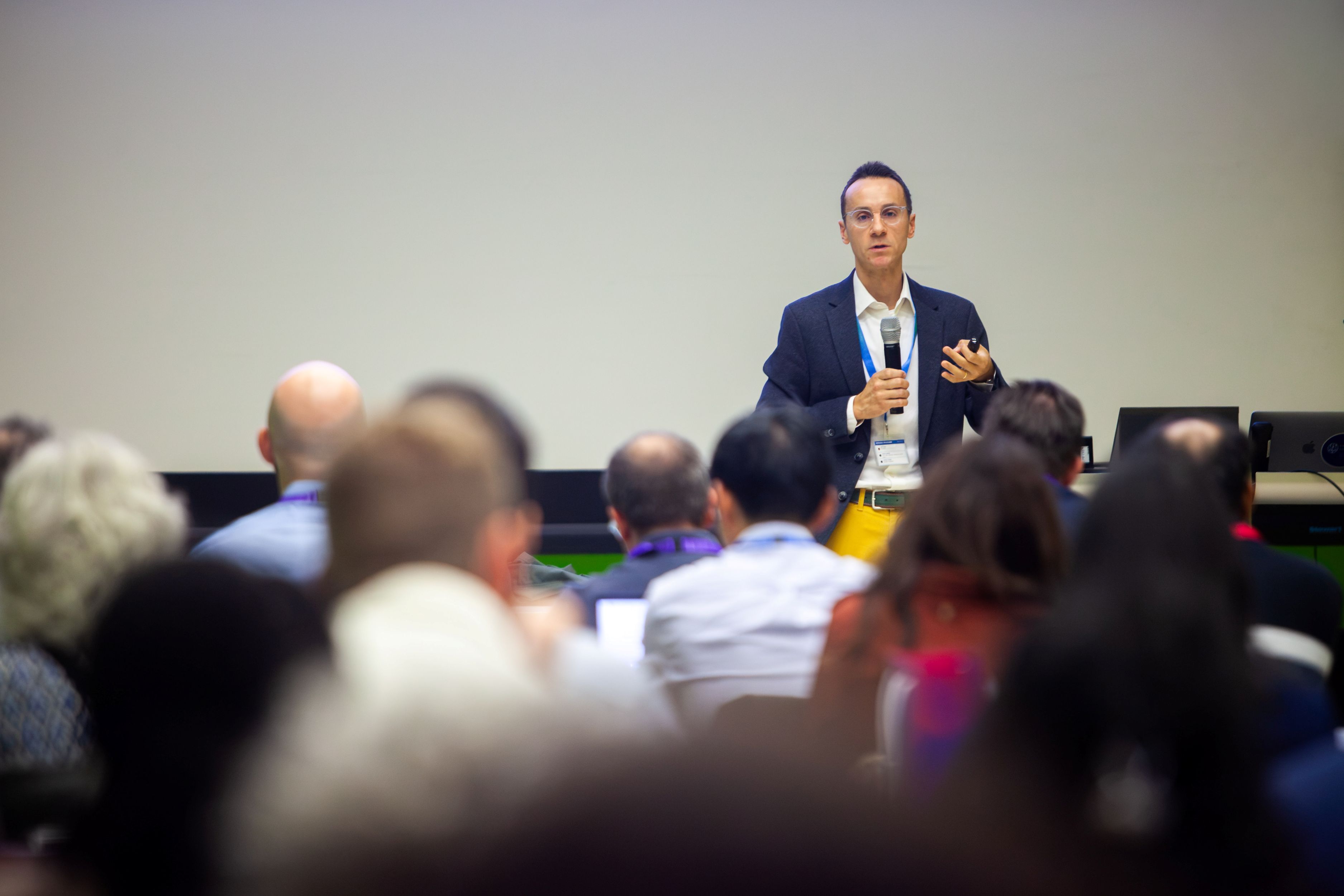
Marco Cinelli during his award talk -
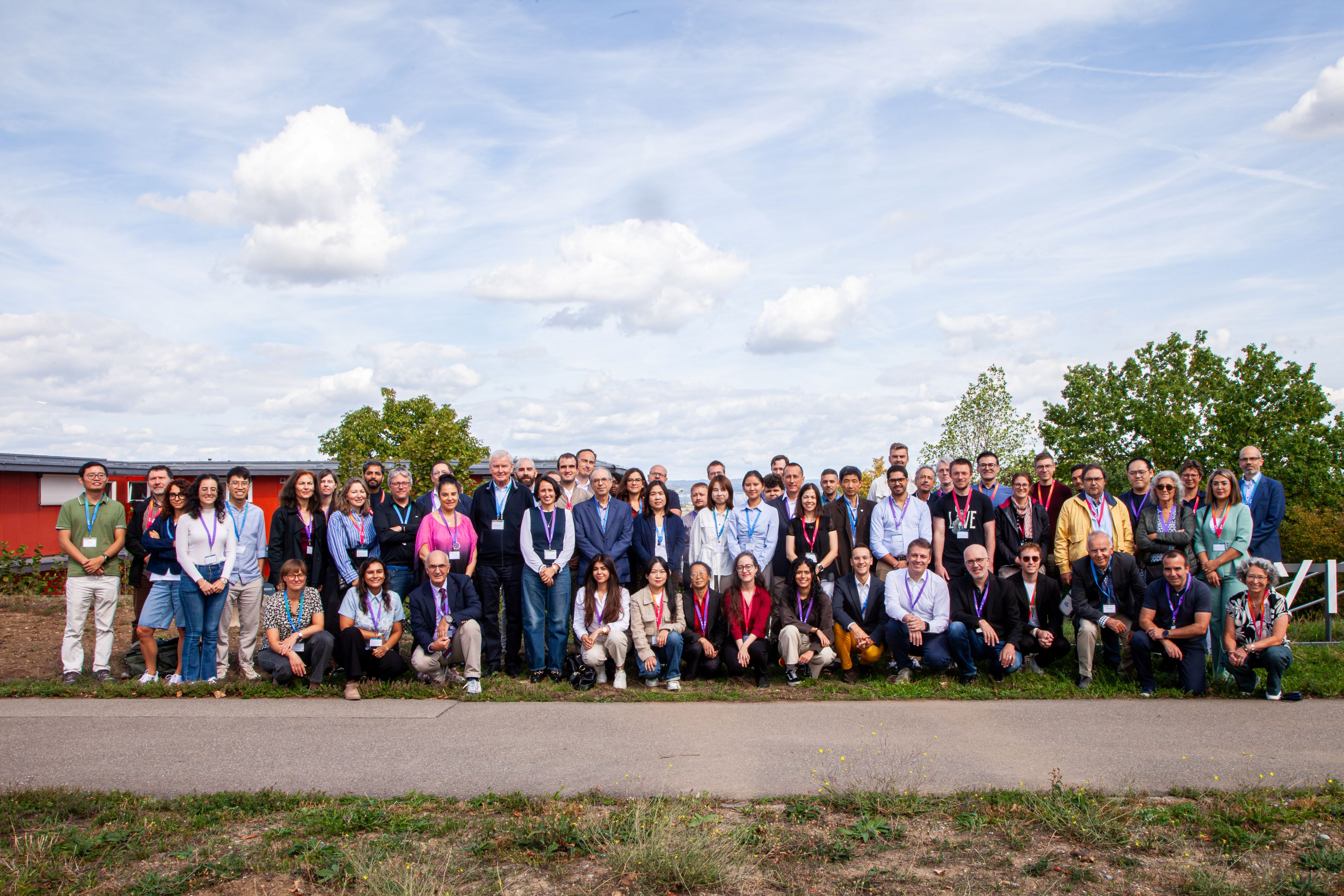
EURO Working Group on Multiple Criteria Decision Aiding (EWG MCDA)
International collaboration
The research was carried out in collaboration with many researchers and organisations. Thanks go out to the following partners:
- Poznań University of Technology
- Paul Scherrer Institute
- US Environmental Protection Agency
- Stanford University
- Netherlands Red Cross's 510 team
- Zurich University of Applied Sciences
Marco Cinelli's research is increasingly focusing on decisions where both time and location play an important role. Together with Matteo Spada (ZHAW), he is developing InSTIM, a tool for spatial and temporal MCDA analysis and visualisation.