

‘Pressure can be a motivator but you still need time to recharge your batteries’
We’ve all heard the advice about healthy workplace habits: taking regular breaks from your screen, going for the odd walk or eating lunch with your colleagues. But we don’t always heed this advice. A paradox, says assistant professor Juriena de Vries. ‘When you think you don’t have time for a break is when you need to one most.’
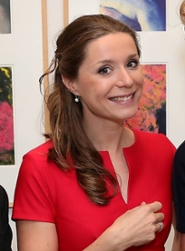
For many of us it’s part and parcel of working at the university: a lot of sitting and a lot of mental labour. ‘It can be difficult to unwind after a busy day at work,’ says Juriena de Vries. ‘What can help is exercise, for example a short walk every now and then during the day or by doing some more intensive physical activity after work.’
This suggestion doesn’t come out of the blue: as an assistant professor at the Department of Health, Medical and Neuropsychology, De Vries research how exercise can keep students and staff happy and healthy. ‘But there are other ways apart from exercise to recharge your batteries after work.’
‘If you don’t recover properly after a busy day, you have to compensate the next day and try even harder.’
Importance of recovery
Her advice to her colleagues: make time for recovery. ‘Working takes effort and energy. There’s no two ways about it. Taking time to recover means trying to replace that lost energy by doing meaningful activities that help you mentally unwind and physically relax, and give you a sense of autonomy or achievement or of connection to others.’ That can be sport and exercise, but equally a social activity or something creative: meeting up with friends, playing games, crocheting and knitting, reading a book, playing the guitar or baking cakes. You can’t really do these kinds of activities at work. ‘Then recovery is more about getting up every now and then to stretch your legs or having lunch with your colleagues. It sounds like a cliché but it really does work.’
A possible counterargument: aren’t we too busy at work to relax? Sadly enough, that’s a familiar problem, says De Vries. ‘We call it the recovery paradox. When you’re busy or dealing with demanding tasks is when you’re least likely to take time to relax – when that’s when you need it most. If you don’t recover properly after a busy day, you have to compensate the next day and try even harder to achieve results. You end up in a negative cycle. So try to be aware of that. When you think you don’t have time for a break is when you need one most.’
And that is often easier said than done, De Vries admits. ‘I sometimes find myself thinking: I’m way too busy now. But what can help is knowing that recovery really does help you work better afterwards.’
Structural sources of energy
So much for the role of staff – what can the university do to help us be healthy and content? ‘As an employer, it’s the university’s duty to ensure that the work is organised in such a way that people feel good doing it,’ says De Vries. ‘This means there should be a good balance between what your work requires of you and the energy and satisfaction you derive from that. In the academic literature, we call this demands versus energy or resources. Work pressure isn’t necessarily bad – it can help you stay motivated. But it must be compensated for by enough energy sources to recharge and stay in balance.’
‘There should be a good balance between what your work requires of you and the energy and satisfaction you derive from that.’
Autonomy and participation
What kind of sources are these? ‘They’re aspects of work that help achieve goals, reduce demands or foster personal growth and development,’ says De Vries. ‘Take autonomy, for example, so having the freedom to decide on your own schedule, choose your own line of research, give your lectures in a way that is enjoyable and meaningful to you and decide for yourself which projects you work on. Social support is also important. If you can work with colleagues, you’re less likely to feel you’re facing the world alone. And managers need to have enough time to do their managerial tasks properly, and to enhance team cohesion. That can be by getting people working together on projects, but it can also mean a weekly lunch with your team. It doesn’t have to be hugely ambitious.’
De Vries can see some of these things already happening at the university and believe they are worth keeping. ‘Recognition & Rewards is a good example of that: that staff receive recognition for not just research but other important tasks too.’ But she can also see areas of improvement. ‘The feeling that you, as a member of staff, have a say in decisions can also be an important source of energy. From the recent Employee Experience Survey I think that’s a point of attention. And a safe and inclusive workplace environment are vital too.’
Pressure at work a continued focus
And pressure at work needs to be a continuous focus, says De Vries. ‘Because The Employee Experience Survey shows this is structurally very high at our university. But as you can’t always solve this immediately, that makes it crucial to have plenty of sources of energy. These structural things are even more important than what staff can do as individuals. If that balance is skewed, you can do stress management courses till the cows come home but you’ll never fix the underlying issues.’
She ends with an idea relating to her hobby-horse: exercise. ‘Next to the Faculty of Social and Behavioural Sciences building here is a large field. You could install some fitness equipment or create a fitness playground there. And there used to be showers here in the building. With relatively changes like that, the university would make it easier for people to exercise during their break.’