Students bring turbulent past of Valkenburg airfield to life
The former Valkenburg airfield is steeped in history: the Romans defended their empire here, German forces landed here in 1940 and even the Cold War left its mark. Now thousands of homes are planned for the site. Students from Leiden and Delft are exploring how to make this past visible.
The concrete control tower in the distance is a reminder that this was once an airfield. Today, drones from a private company fly overhead, the hangars house innovative startups and thousands of visitors flock each week to TheaterHanagaar for the musical Soldaat van Oranje.
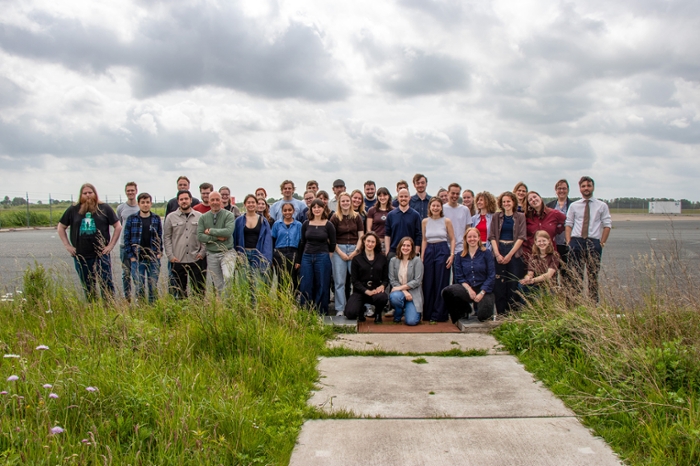
‘It’s a really special area’, says archaeologist Richard Jansen. He and his students have spent the past three days as part of the culmination of the Landscape Heritage course.
Northern frontier of the Roman Empire
The Leiden archaeology students are taking the course alongside landscape architecture students from Delft University of Technology (TU Delft). Their assignment is to explore how the rich history of this former airfield can be made visible to residents and visitors to the new Valkenhorst housing development.
Shortly after the start of the Common Era, the Romans spent two centuries here defending the Limes, the northern frontier of the Roman Empire. A large military camp here helped them do so. Archaeologists have found numerous remains, including postholes, ditches and wooden foundations, explains Jansen. The presence of the camp may be linked to the Roman invasion of Britain in 43 CE.
-
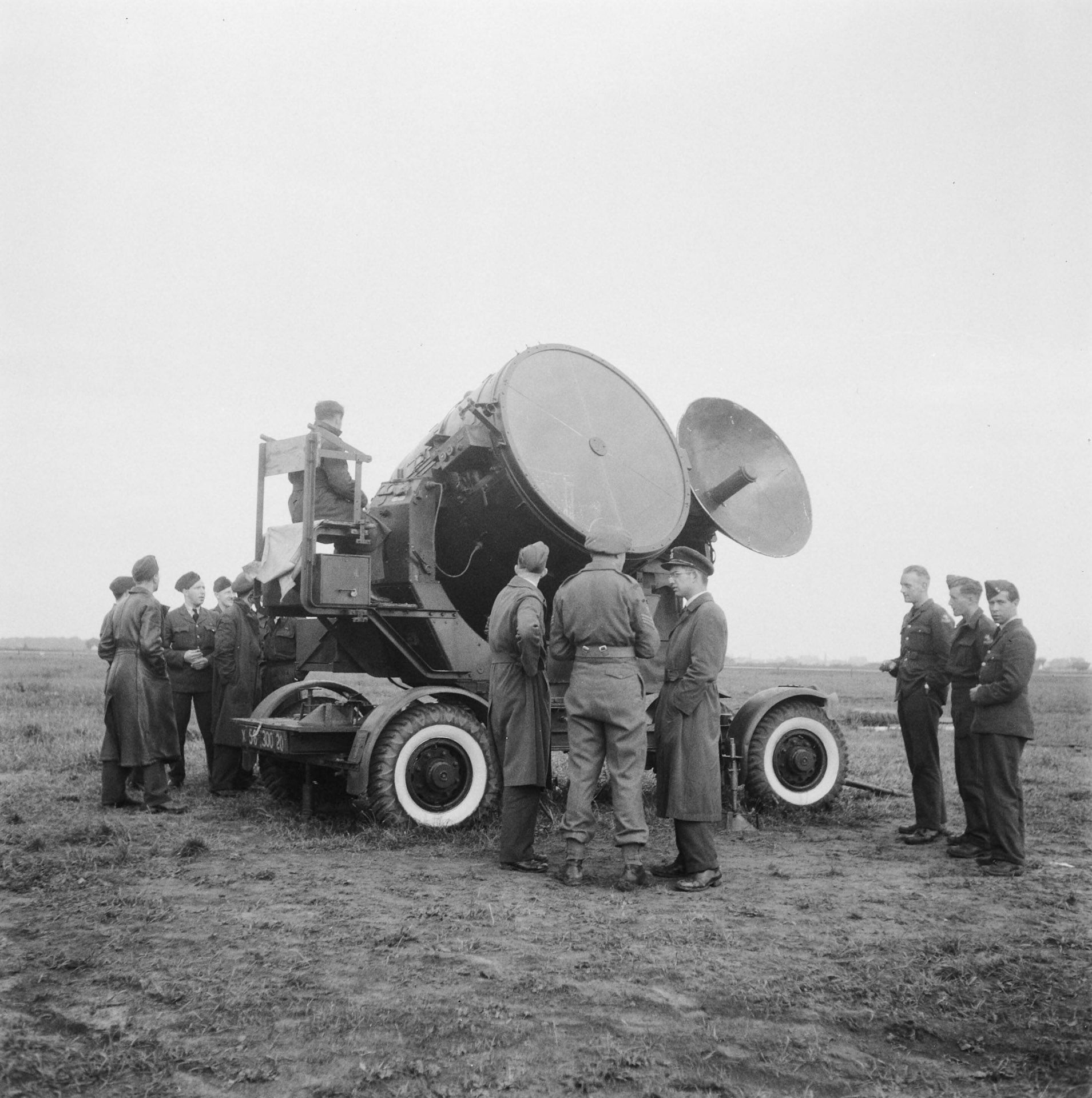
1946: military personnel with radar equipment. Anefo/National Archive -
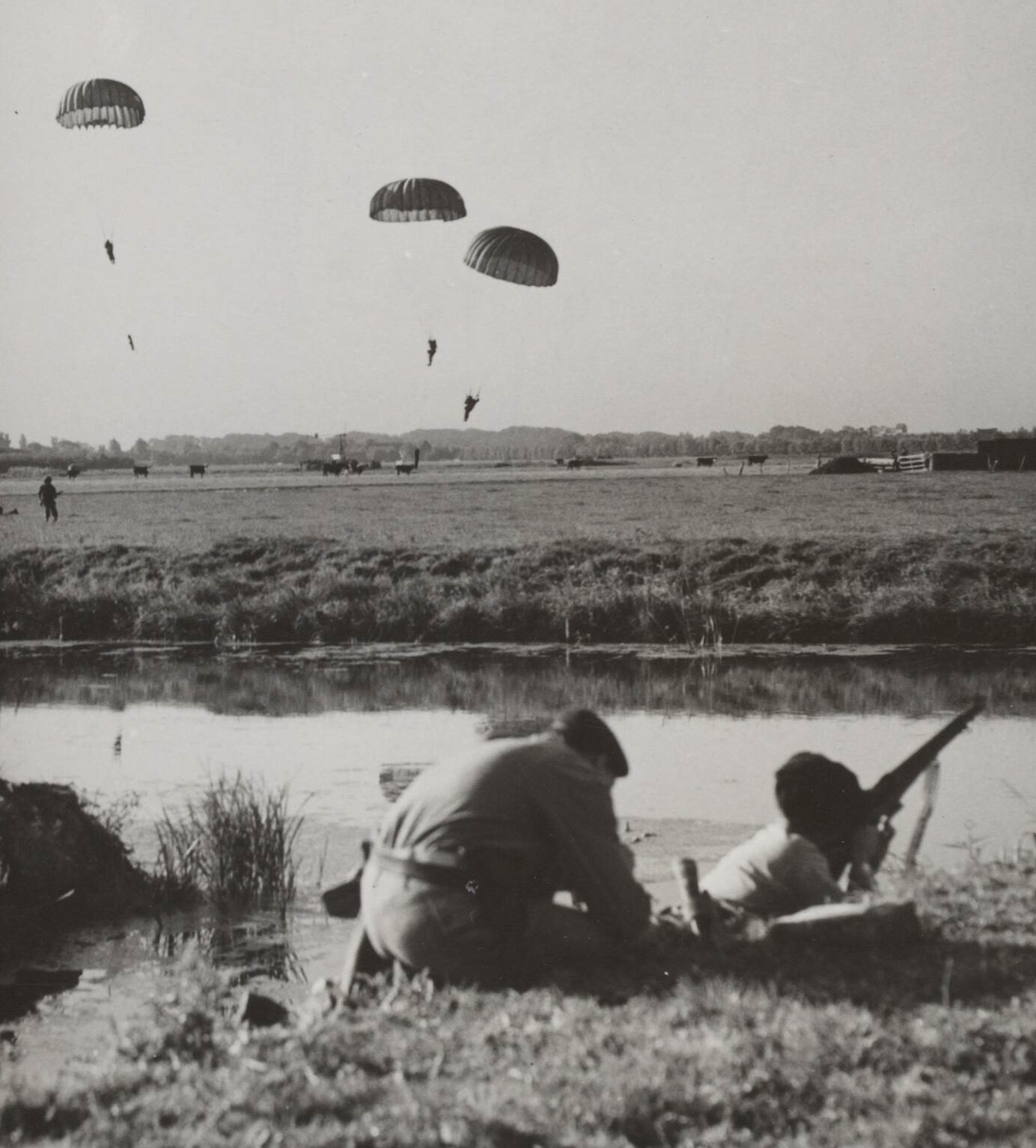
1951: exercise on the airfield. National Archive -
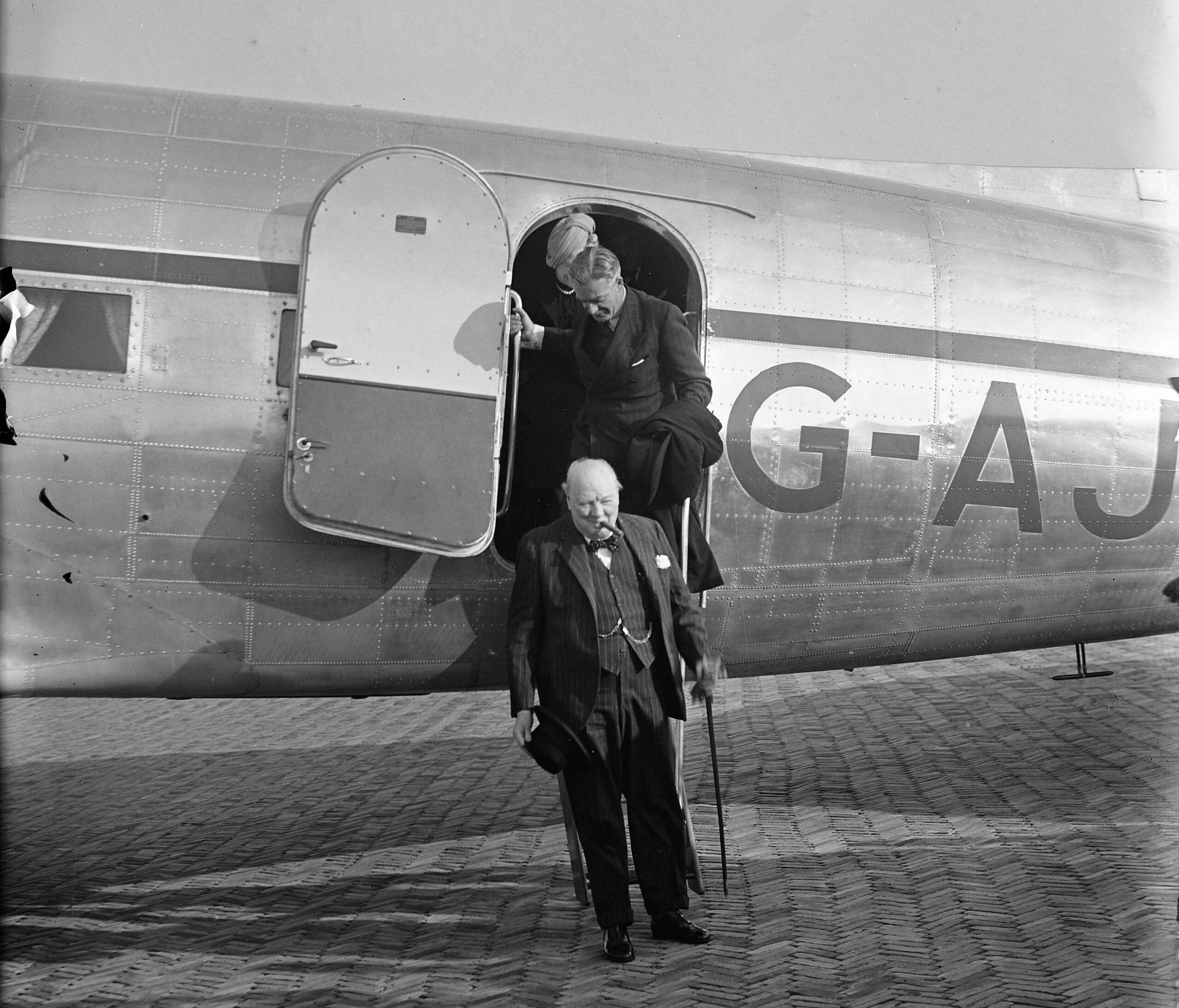
British Prime Minister Churchill arrives at the airfield on 6 May 1948. National Archive -
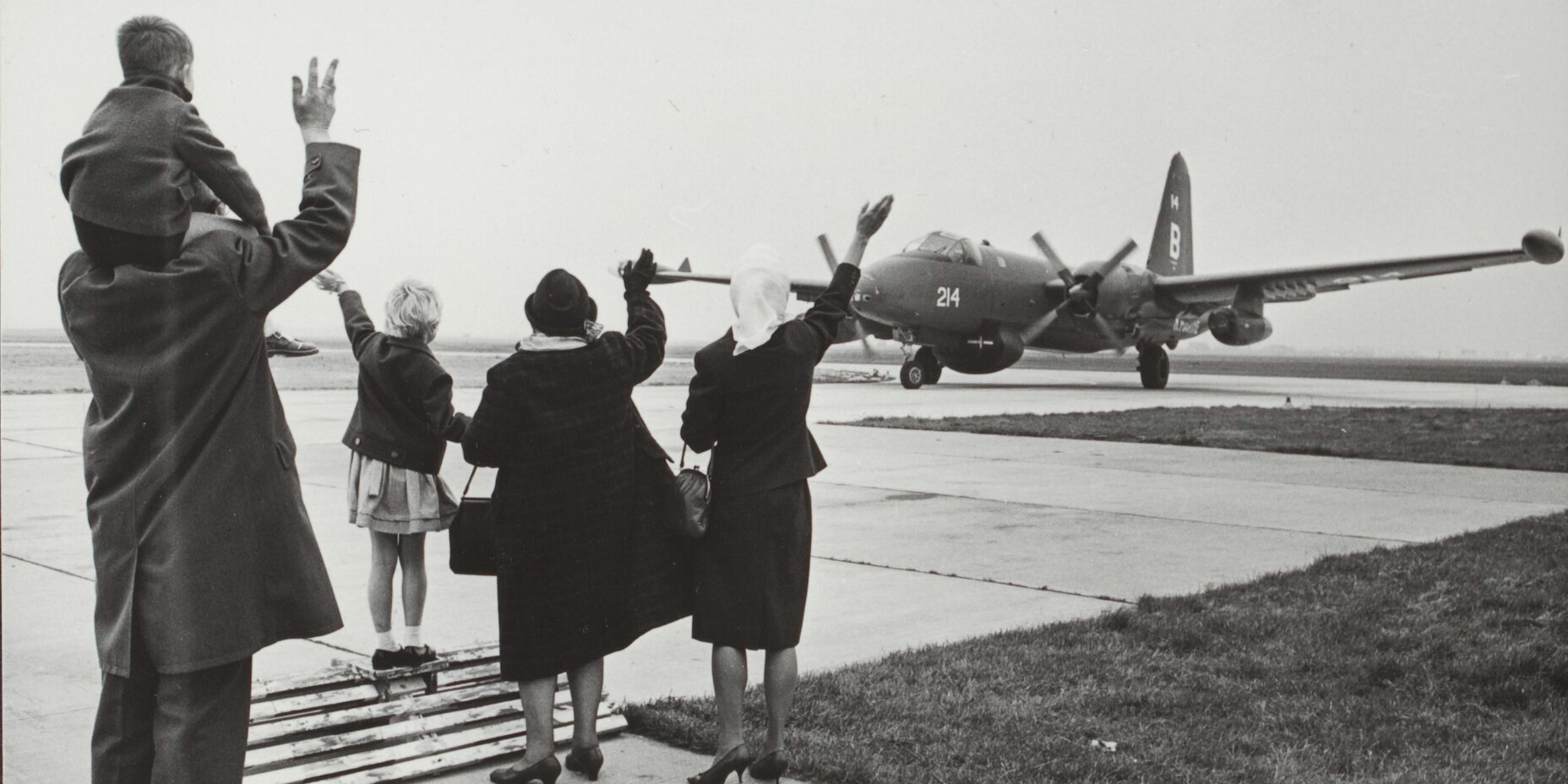
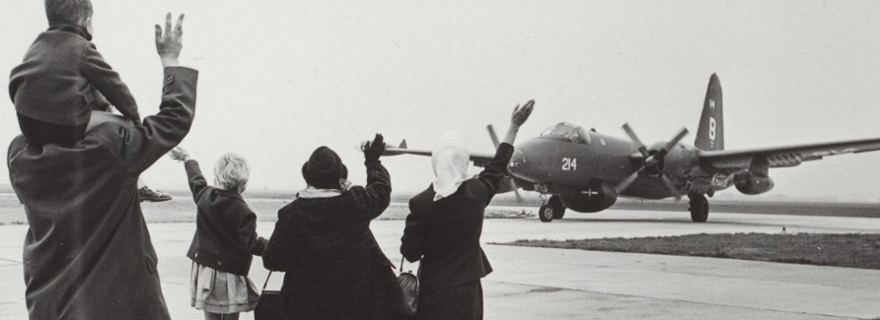
1968: two Neptunes arrive at the airfield. Spaarnestad/National Archive
Cold War
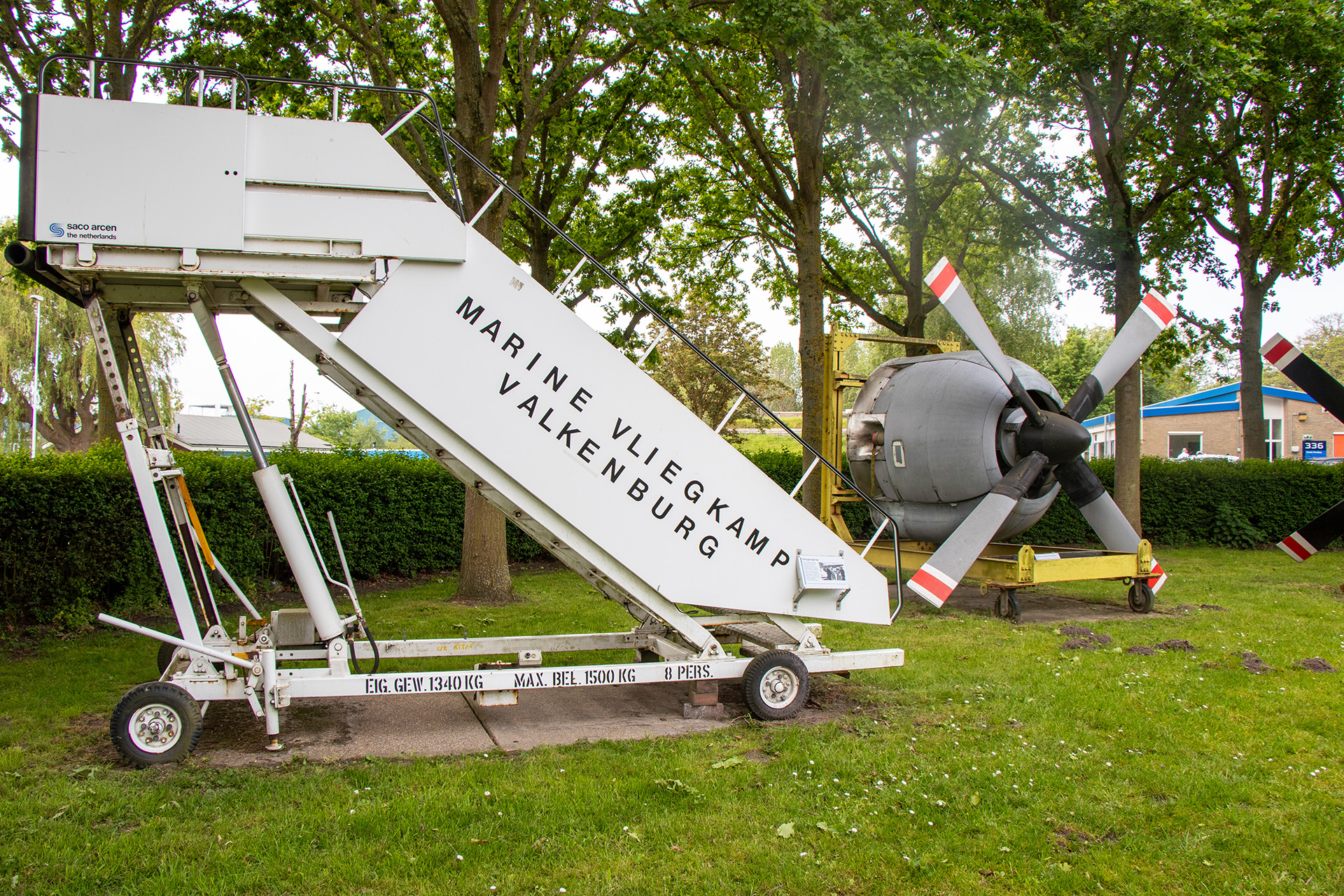
In the 20th century, this site once again played an important role with the construction of Valkenburg airfield. German paratroopers landed on here on 10 May 1940, and soon afterwards built a series of bunkers as part of the Atlantic Wall. During the Cold War, the airfield served as a base for aircraft used to track Russian submarines.
The students have been tasked with developing a concept to incorporate these different stories into the new neighbourhood. ‘We challenge them to do more than simply designing information boards’, says Jansen. ‘They discuss their ideas with input from local stakeholders such as municipal and provincial officials.’
Tensions
Today, Jansen is supervising the students together with Gerdy Verschuure, a lecturer in Landscape Architecture at TU Delft. Verschuure is enthusiastic about this long-standing partnership, which has led to a fruitful exchange of ideas.
‘My students can design but have less experience of heritage. Here, they learn how to make heritage visible in the landscape. They will also have to work with other disciplines in their future careers.’
‘My archaeology students learn how to tell stories about the past’, says Jansen. ‘They have less experience in design and translating these stories into visual forms. What they learn here is how to coordinate their plans. Archaeologists often think in terms of thousands of years, whereas architects think in terms of a few centuries. That can sometimes lead to tensions, but it’s what makes the collaboration so interesting.’
Bunkers
Verschuure gives the example of Bunkerbos, a wood next to the former airfield. ‘There are Second World War bunkers there, but overgrown trees and vegetation are damaging the structures. Archaeology students focus on the historical value and want to protect the bunkers, and feel that greenery sometimes has to be removed. Landscape architecture students are more inclined to keep it green.’
Jansen gives another example: ‘Archaeologists tend to be cautious and nuanced, and like to explain things in detail. Designers want to be clear and concise. Now they have to find common ground and make decisions together.’
-
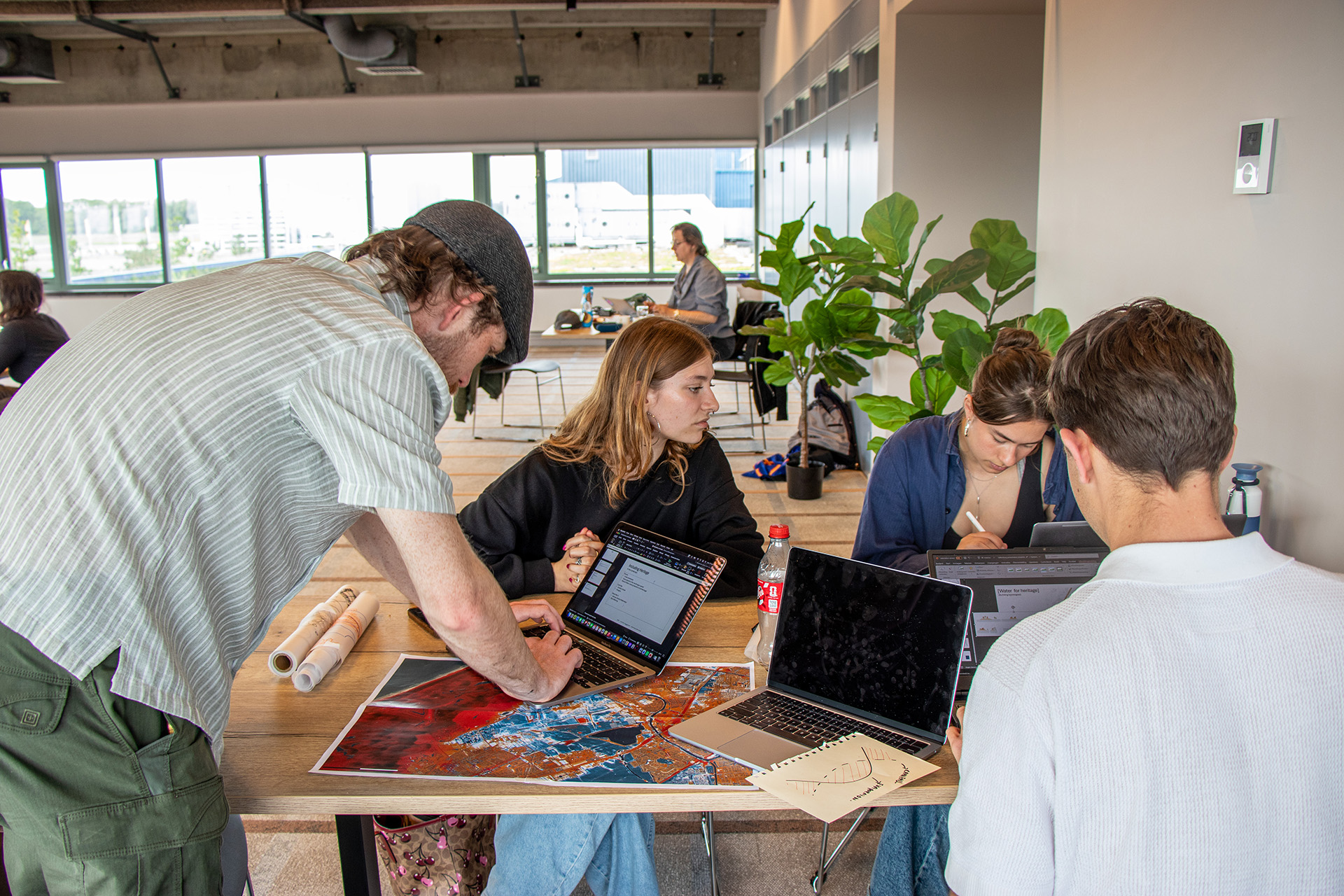
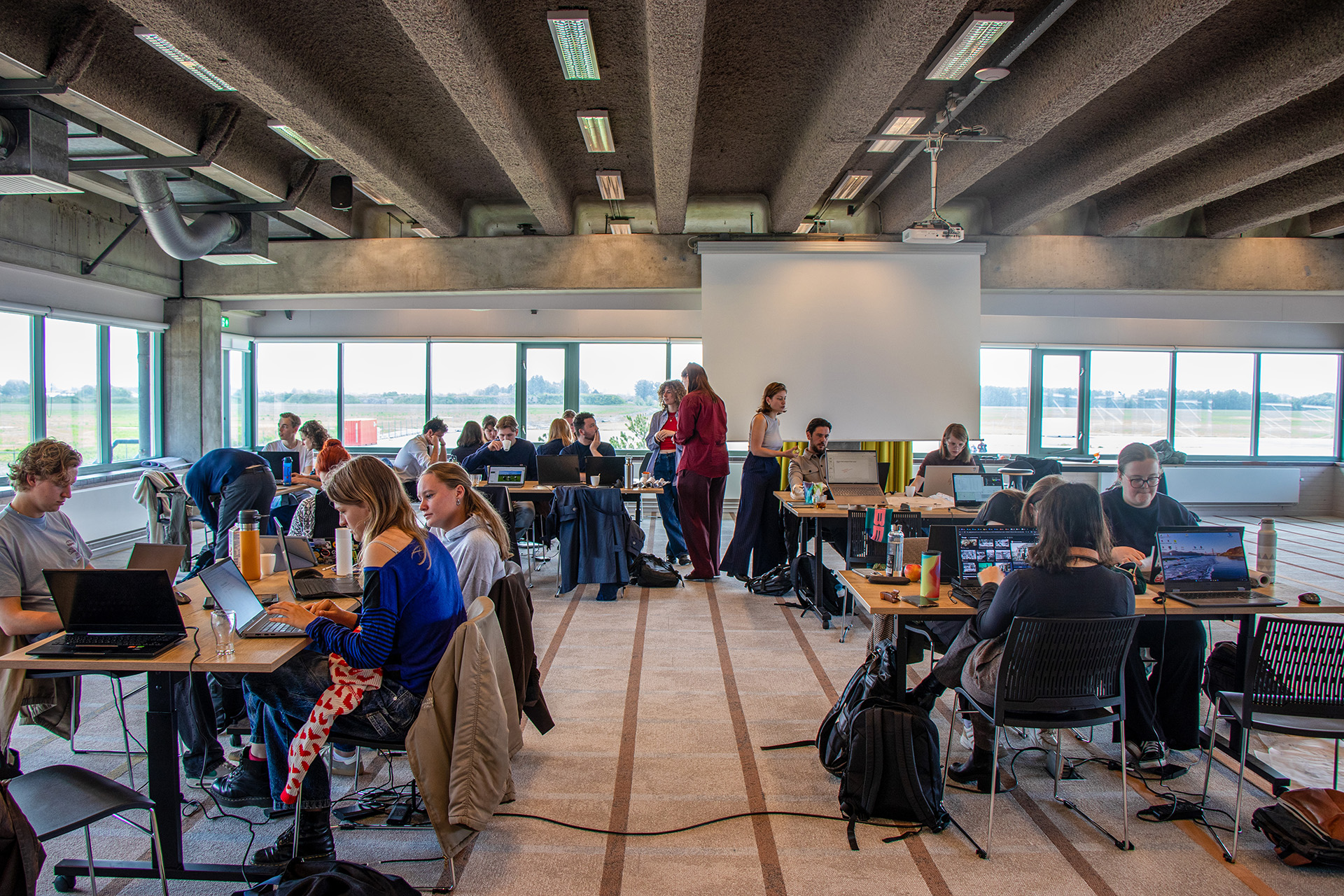
The groups consist of a mix of students from Leiden and Delft. Berent, Gaëlle, Lara and Luc (l-r) -
-
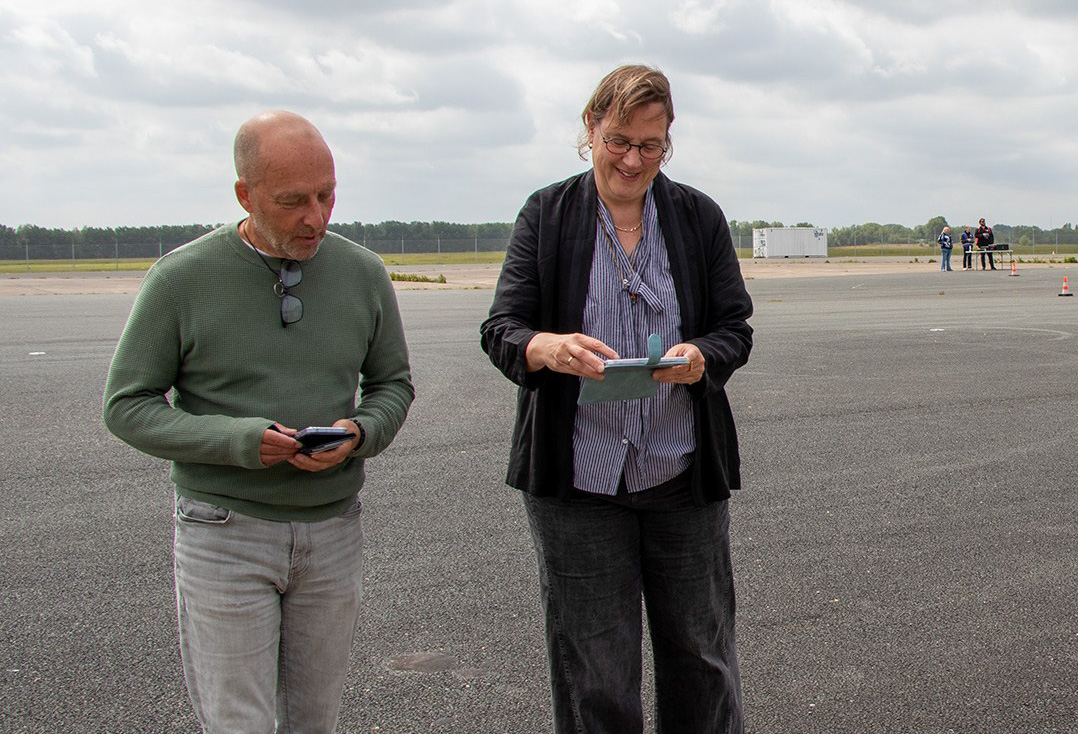
Richard Jansen and Gerdy Verschuure. -
-
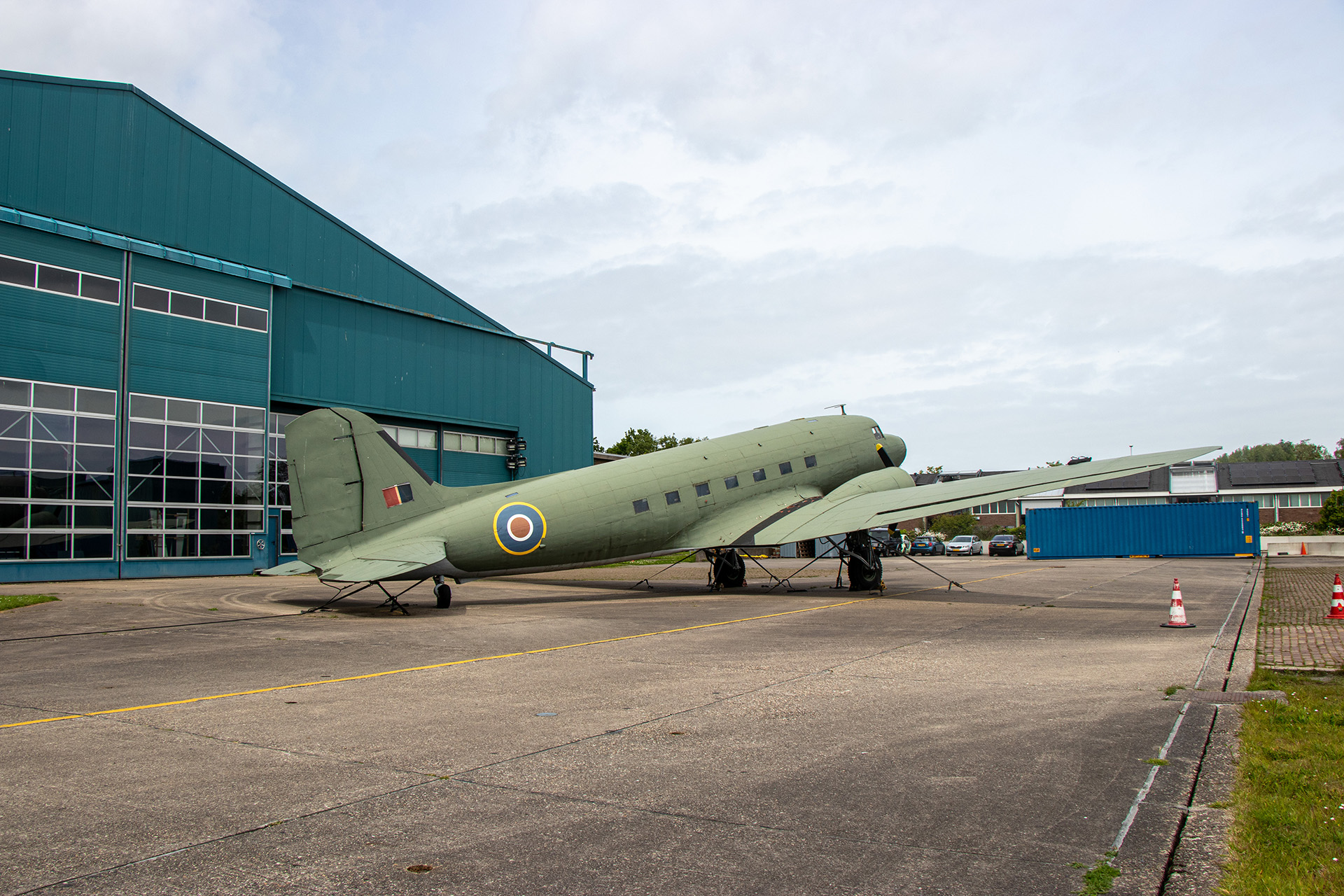
Aircraft by TheaterHangaar -
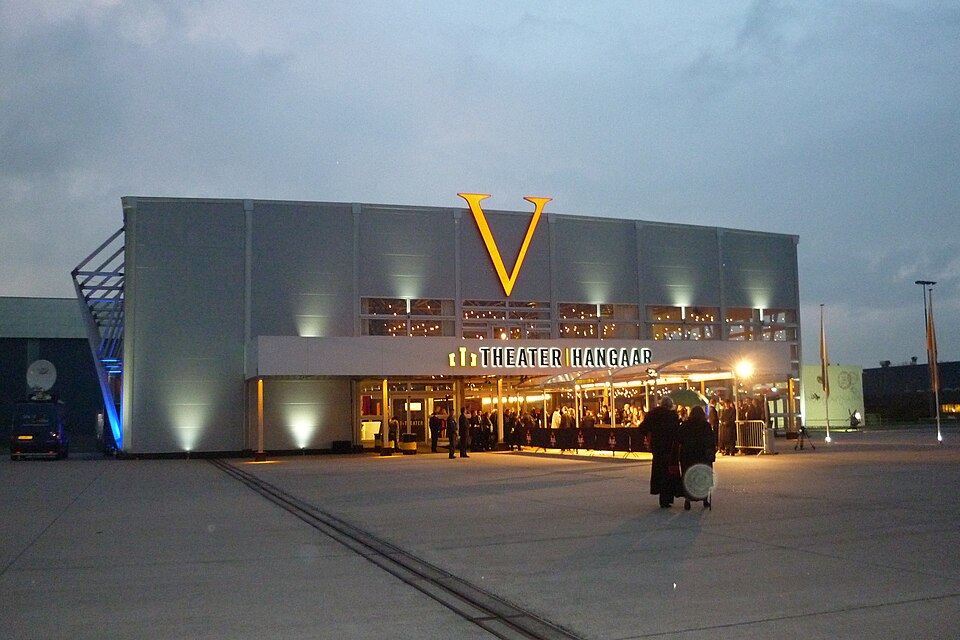
Photo: Wikimedia
Parachutes as streetlights
All eight students groups are still working hard on the designs they will present this afternoon. One group studies a large map of the area. The group consists of two archaeology students from Leiden, Gaëlle and Berent, and architecture students Lara and Luc from TU Delft. Their ideas and designs reflect both disciplines.
They want to install parachute-shaped streetlights along the canal on the site. They also want to place replicas of German fighter planes emerging from the creek and are considering signs with photos of Dutch soldiers and stories about how the Second World War began for them. ‘We want to tell the bigger story but also highlight the smaller, personal narratives’, says Berent.
Waterways
This polder has long struggled with low groundwater levels, say Lara and Luc from Delft. Their idea is to build canals along the former runways. These new waterways could help drain excess water during heavy rainfall or act as a buffer during drought.
‘They are a physical reminder of the old airfield structures’, says Lara. ‘You can also see the water system itself as heritage’, says Berent. To evoke the Roman era, they propose building terpen [dwelling mounds].
Real world
Archaeology student Gaëlle sees the course as a reality check: ‘It’s no longer a theoretical assignment but a design for the real world, with all the constraints that entails, such as having to take existing construction plans into account. That makes it challenging but very realistic.’
At the end of the day, the groups pitch their plans to staff from the Central Government Real Estate Agency, Erfgoedhuis Zuid-Holland, the Municipality of Katwijk and the Province of Zuid-Holland. They respond positively and will consider how to incorporate the ideas into the area’s development. Jansen is pleased: ‘This transdisciplinary course means that heritage will have a place in this area.’
The Landscape Heritage course is part of the Global Heritage and Development LDE programme. In Leiden, it is part of the MA in Applied Archaeology in collaboration with Saxion University of Applied Sciences. Four lecturers teach the course: alongside Jansen and Verschuure, they are Leo van den Burg (TU Delft) and Peter Jongste (Saxion University of Applied Sciences). In recent years, this course was also a Learning with the City project. See the site for more examples.