From research analyst to biosafety officer: ‘I combine my passion for biology with promoting safety’
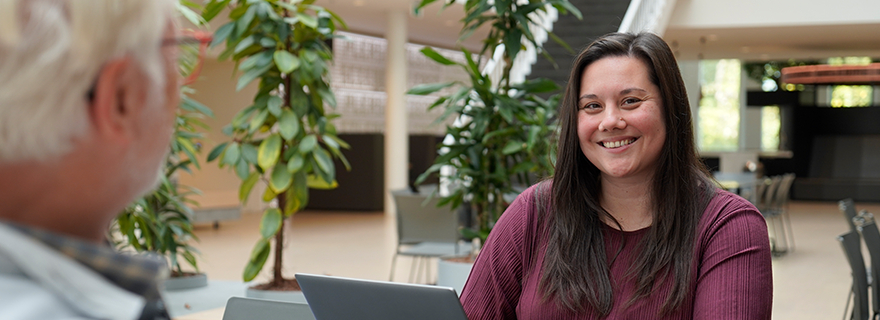
Laboratory safety rules are there for a reason. As a biosafety officer at the AMD, Yeszamin Onderwater helps researchers understand the risks involved in their work and how to work safely and practically.
Why do you use a fume cupboard? And why are gloves and a lab coat so important? These were questions Yeszamin Onderwater often asked herself when she worked as a research analyst. Now she helps others find the answers.
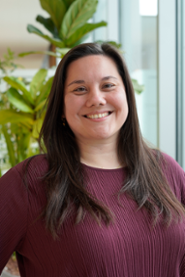
Yeszamin has been working at the faculty’s Health, Safety and Environment Department (AMD) since late 2024. As a biosafety officer, she advises researchers on working safely with bacteria, viruses and genetically modified organisms (GMOs), among other things. ‘I want people to understand why the instructions in a protocol are important, rather than simply following them automatically.’
From the lab to safety regulations
Her mission began with her own experiences in the laboratory. After seven years working in biomedical research groups, she made the move into biosafety. It opened up a whole new world for her. ‘I discovered that there is legislation setting out how to work safely with GMOs. There is a reason behind all those safety measures.’ Since then, she has been keen to share that knowledge. ‘I’m still in close contact with researchers, but I now look at research from a different perspective.’
‘This job allows me to combine my passion for biology with helping people become more aware of the importance of working safely’
Making safety practical
Yeszamin – who enjoys gaming, crocheting and baking in her spare time – likes working closely with researchers. For example, she helps them prepare notifications for research involving GMOs. All the risks must be carefully described before an application is submitted to the government. ‘I’m essentially the link between the researcher and the government. I see it as a kind of puzzle that I want to solve. When the collaboration goes well and the application is approved, it’s very rewarding.’
She also provides input when protocols need to be amended. After all, safety requirements need to work not only on paper but also in practice in the laboratory. Once approved, protocols are collected and published by the AMD on the intranet. ‘This allows us to give our colleagues the best possible information on working safely,’ says Yeszamin.
Incident? Report it to the AMD!
Leiden University aims to provide a safe working environment. However, accidents can happen, sometimes in the blink of an eye. That is why it is important to report every incident – whether an accident, a near miss or a hazardous situation – to the AMD. You can do this by completing an incident report form. ‘This information helps us improve safety, identify risks and take responsibility,’ says Yeszamin. You can find the incident report form via the ‘Report an incident’ tile on the staff website homepage.
Small changes, big difference
Yeszamin also makes things easier for researchers by providing practical step-by-step guides. ‘It makes me happy when the tools I develop help people work more safely and with greater awareness.’
Meanwhile, she is training to become an occupational hygienist. This involves exploring, among other things, the risks posed by hazardous substances and exposure to pathogens. ‘You don’t always notice the effects of unsafe working practices straight away. Sometimes they only become apparent years later.’
Unsure about safety? Ask the AMD for advice
What is the main message she would like to share with her colleagues? ‘Don’t be afraid to ask questions, and stay curious. There’s no such thing as a silly question. We can only help if we know what’s going on. So if you’re unsure whether something is safe, or you spot something that doesn’t seem right, speak up. You’re not just doing it for your own safety, but also for the safety of your colleagues and the environment.’