
Over €900,000 awarded for new treatment against atherosclerosis
How can we slow down atherosclerosis? Researcher Amanda Foks believes it may be possible by switching off ageing immune cells. This could lead to an entirely new treatment for heart attacks and strokes. To this, she has been awarded the Established Investigator Dekker Grant from the Dutch Heart Foundation.
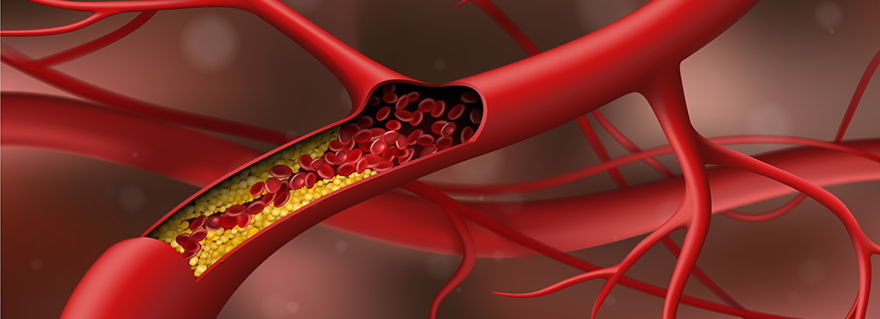
Atherosclerosis develops when lipids and immune cells gradually accumulate in the arterial wall over many years. Often, there are no symptoms, until such a build-up suddenly ruptures. This can immediately trigger a heart attack or stroke.
The risk increases with age: blood vessels become less flexible and the immune system becomes less effective, leading to chronic inflammation. This inflammation, in turn, may accelerate the development of atherosclerosis.

The role of ageing B cells
B cells are white blood cells that help neutralise pathogens. But upon aging, some of these cells change and start to produce proinflammatory mediators that fuel inflammation. This may worsen atherosclerosis.
‘We were the first to show that these age-associated B cells are present in the blood and in atherosclerotic lesions of cardiovascular patients,’ says Amanda Foks. ‘We discovered that they promote inflammation and aggravate atherosclerosis. But we still don’t know exactly what these cells do.’
Taking a closer look at immune cells
With the grant, Foks will investigate how age-associated B cells trigger inflammation in blood vessels and worsen atherosclerosis—for example, by identifying which harmful mediators they secrete. She will also map where these age-associated B cells are located in the arterial wall and how they interact with other cell types.
‘Ultimately, we hope to develop a treatment that specifically eliminates age-associated B cells while leaving healthy immune cells untouched,’ Amanda explains. ‘By doing so, we aim to slow down—or perhaps even prevent—atherosclerosis. This would represent a completely new treatment strategy for heart attacks and strokes.’