

What can universities learn from their ties with the tobacco industry?
Researchers from Leiden University and Solid Sustainability Research have published a new study in PLOS Climate on the links between Dutch universities and the tobacco industry. Through this work, they aim to contribute to ongoing discussions about ties to the fossil fuel sector.
The study initially set out to draw lessons from the policies adopted by Dutch universities around tobacco industry collaborations, expecting scientific institutions would have been leading the way on tobacco control. However, the researchers found that, despite the widespread view that collaboration with the tobacco industry is ‘inappropriate’, explicit policies are mostly lacking. Moreover, they were surprised to discover that various connections between Dutch universities and the tobacco industry have persisted over the past two decades.
Universities are not taking the lead
The researchers had expected universities to play a pioneering role in combatting tobacco use, particularly since academic research first revealed its harmful effects. In practice, however, universities appear to follow the public opinion rather than shape it. A small number of individual researchers and medical professionals have taken more initiative in engaging with the broader public.
-

A Shell advert from 2024 suggesting that its biofuels research leads to a factory making biofuel for cleaner travel. -
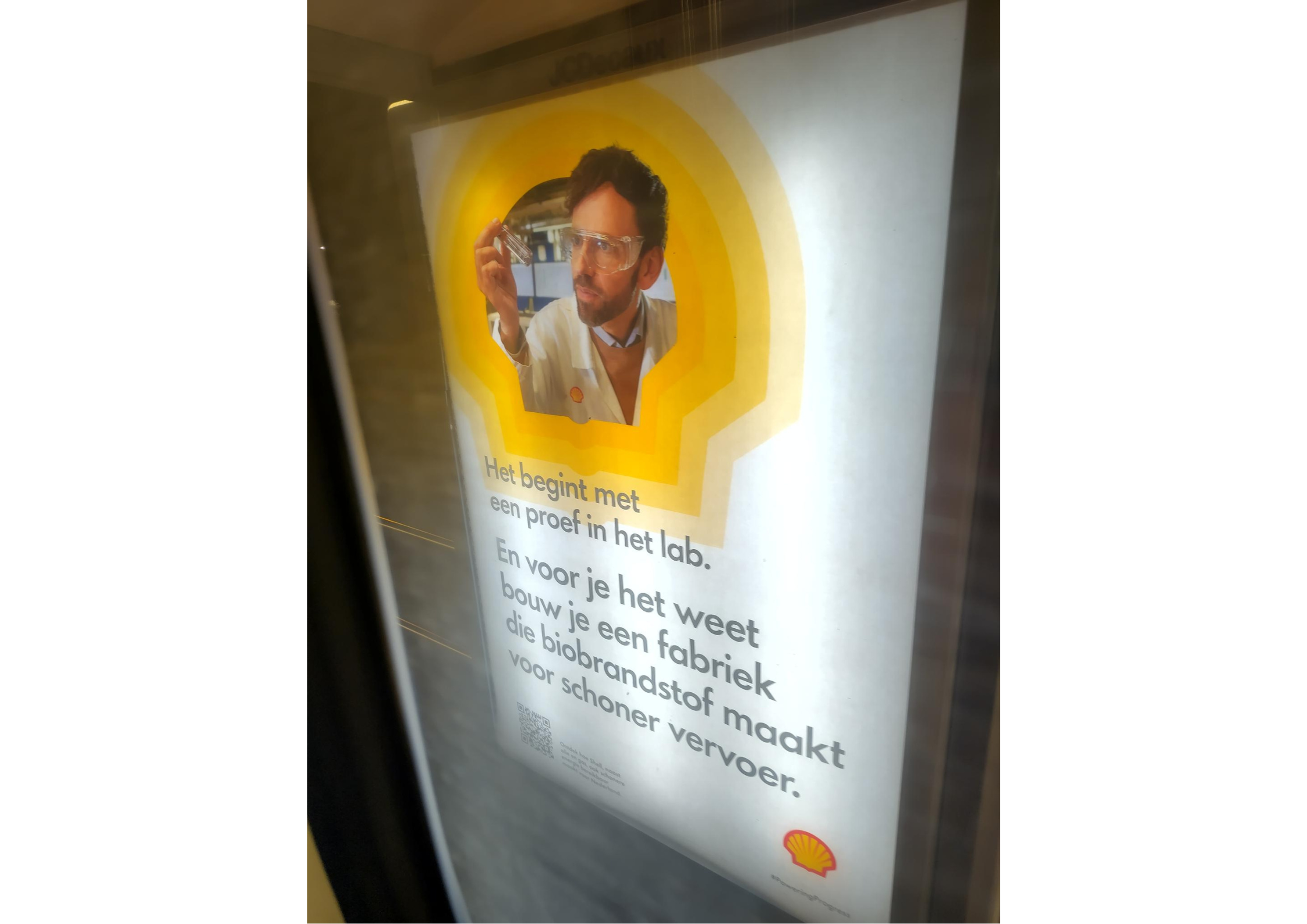
The building of the biofuels factory referenced in the advert was cancelled in September 2025.
Justification despite health risks
Like the tobacco industry, the World Health Organization (WHO) has identified the fossil fuel industry as a major contributor to the global rise in non-communicable diseases, including cardiovascular disease, cancer, and diabetes. Nevertheless, many universities continue to justify collaborations with this sector, for instance when these partnerships are linked to the energy transition. The fossil fuel industry is also still frequently regarded as a key stakeholder in shaping Dutch climate policy.
Academics remain unaware of risks
Many researchers remain insufficiently aware of how companies in these sectors use academic partnerships to delay policy action and influence public opinion. Both industries employ similar strategies, such as creating doubt and gaining legitimacy through association with academia. They also steer scientific research and promote technological “solutions” that sustain their business models, such as e-cigarettes and blue hydrogen. In addition, they target young people, for example through donations to student associations.

Complexity of fossil fuels
The researchers acknowledge important differences between the tobacco and fossil fuel industries: with the exception of “luxury emissions” – such as air travel for holidays or SUV use – fossil fuels are entangled with other parts of the economy and therefore complex to phase out. However, they argue that universities, research funders, scientific journals, and health professionals should critically examine their ties to both sectors, given their significant impact on public health and the environment.
What’s in it for universities
As Dutch universities tighten their policies on external partnerships because of pressure by students, staff and the public, they have an opportunity to standardise their approach across different commercial sectors and to take a leading role in climate action. By doing so, they can strengthen academic integrity, reduce conflicts of interest, and better align research with public health and sustainability goals.
More support after policy implementation
Evidence from practice shows that support for policies often increases after implementation. For example, public support for smoking bans grew once they were introduced in buildings. A similar shift occurred at VU Amsterdam after it severed ties with the fossil fuel industry.
The message to universities is clear: take the initiative. The researchers outline what this could look like through a series of recommendations, presented below.
8 recommendations
- Encourage professional organisations, charities, and medical professionals to speak up about the health risks of fossil fuels and advocate for consistency in how health-harming industries are treated in academia and policymaking.
- Advocate for a WHO framework convention on fossil fuel control, with clear acknowledgment of the conflict of interest of fossil fuel industry in public health and climate action and a ban on lobbying and advertising.
- Increase transparency on academic industry ties, including both direct and indirect funding, to ensure informed decision-making.
- Encourage journals and research funders to develop policies around fossil fuel involvement, similar to those adopted by so-called ’tobacco-free’ journals and funders.
- Educate researchers and students on industry tactics aimed at delaying regulation and policy change, for instance by integrating this into mandatory ethics training.
- Phase out fossil fuel industry influence in research agenda-setting, research consortia, and public funding programs.
- Critically evaluate new research collaborations with the fossil fuel industry, particularly on energy transition and sustainability projects, to avoid conflicts of interest.
- Task an independent body with monitoring and researching industry tactics, ensuring academic policies remain aligned with public health and climate goals.