Students bring ‘Archaeology of the Margins’ to centre stage at SOYA 2026
On 10 April, the Faculty of Archaeology will host the Symposium of Young Archaeologists (SOYA), a fully student organised conference dedicated to the theme Archaeology of the Margins.
A platform for young researchers
This year’s edition, held in the Van Steenis building, is the result of months of work by a team of motivated students who aimed to offer early career researchers an accessible platform to present their work.
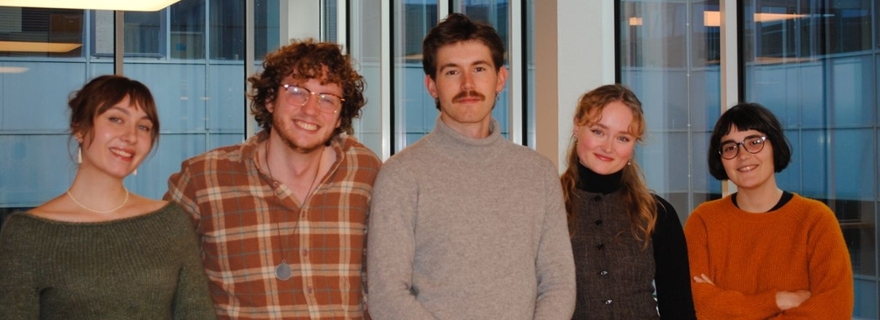
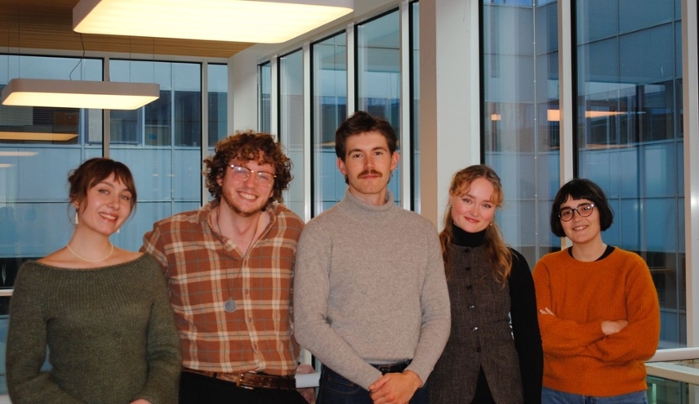
For organisers Noud, Anouk, Terra, Ruben, and Maya, SOYA is more than a conference; it is a space where young archaeologists can experiment, grow, and connect. We speak with the first three about their experiences.
‘We think it is very important for young archaeologists to have a platform to gain experience in attending conferences and getting feedback', says Noud. ‘Themes that are sometimes on the margins of archaeology deserve more visibility, from disability archaeology to working with children, community archaeology, and more.’
The programme indeed reflects this broad spectrum. Anouk explains: ‘We invited two keynote speakers whose work centres around marginalised areas of research. One focuses on the archaeology of disabilities and is a PhD researcher from Dublin. The other works on decolonising archaeology in the context of Indonesia.’
Next level
What began as a bold plan grew into something far larger than the team expected. Terra admits: ‘Initially we were a lot more ambitious than we realised, but it really paid off. We have a lot of international participants now, at different stages of their academic trajectories. SOYA used to be a bit more low‑key, and taking it to the next level was definitely one of our goals.’
The last SOYA took place in 2020; online, due to the pandemic. ‘It feels like a complete reboot', Noud says. ‘Setting everything up again from the ground up has been quite a hassle, but we managed.’
This year also brings a subtle rebrand. ‘We Anglicised the name', Terra explains. ‘Just a small tweak, but it helps attract both Dutch and international students.’
The response exceeded everyone’s expectations. ‘We received 71 abstract submissions', Terra says. ‘Very gratifying and exciting to see what all these young researchers are doing. Let’s see how long this “marginal” stays marginal.’
Anouk adds: ‘We now have 26 podium presentations and 34 posters, organised into nine themes. We even needed parallel sessions to accommodate everything.’
Accessibility and hybrid participation
Ensuring the symposium is open to all has been central to the team’s work. ‘We want to make sure the event is accessible to everyone', Terra says. ‘That’s why it’s fully hybrid. It’s a challenge to organise, of course, but everyone should have the opportunity to join.’
The hybrid setup also echoes lessons learned during the pandemic. Although in‑person registration is now full, online attendance remains available via livestream.
Learning by doing
Organising a conference of this scale has taught the team a great deal. ‘I’ve learned the ins and outs of how a conference actually functions', says Noud. ‘As chair, managing and talking with committee members has been a great experience.’
Terra nods: ‘There are so many balls to juggle. You learn as you go. It’s all about fitting the puzzle pieces together.’
But despite the challenges, the team has formed strong bonds. ‘It has shaken us together in a fun and fraternal way', Terra says. ‘You don’t get closer than doing a photoshoot in the Reuvens Hall in the middle of a weekday.’
For many on the board, this is also preparation for the future. ‘Most of us are aiming for an academic career', says Anouk. ‘Learning to organise conferences is extremely helpful.’
Looking ahead
The organisers hope SOYA will continue to grow and inspire future students. ‘Conferences like these are very important', Noud says. ‘We really want to encourage students to apply to organise SOYA next year.’
While the registration deadline has passed, after the symposium, everyone is welcome to join the Faculty Drinks.