
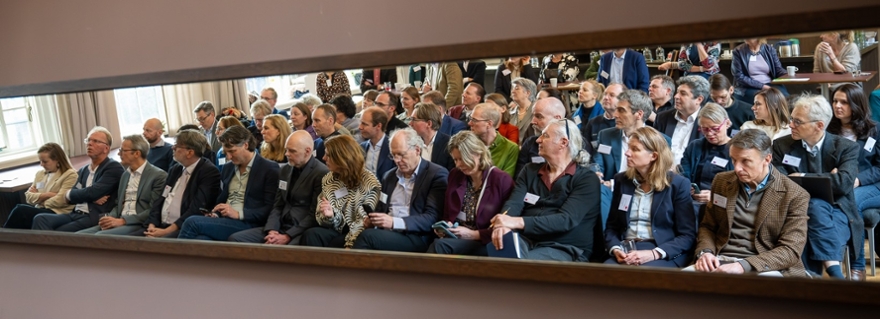
Interfaculty theme leads gather at kickoff meeting
The leads for our new interfaculty themes recently met for the first time. We asked three of them what opportunities their theme presents to society, the university and individual staff?
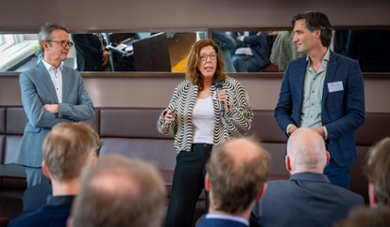
The goals of the meeting were clear: to get to know each other, gain inspiration, learn about available support and decide what next. The meeting in question was the kickoff meeting for interfaculty theme leads at the Academy building on Thursday February 5. The university’s 15 interfaculty themes are helping us position our research and education and strengthen our profile in the national and international area. For their themes, the leads will define ambitions, support cross-faculty collaborations, strengthen interdisciplinary and transdisciplinary research and teaching, engage with external stakeholders and contribute to solutions to complex societal issues.
The themes fall under one of five research domains, with three themes per domain. For each theme, multiple leads have been appointed from various faculties to strengthen cross-faculty collaboration. See here for a complete overview of all research domains and themes.
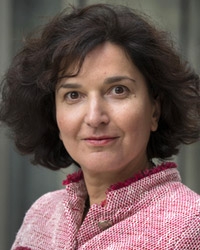
Antoaneta Dimitrova, Professor of Comparative Governance, theme lead for ‘Geopolitics in Europe and the world’
‘This theme addresses highly pressing issues. Geopolitics has long been neglected in Europe. Now, with a new world order unfolding before our very eyes, we need to understand what these new relationships will mean. Leiden University has a wide range of expertise. The opportunity to bring this together is what motivated me to become a lead.’
‘What the theme can offer the university as a whole is the interdisciplinary connections that a long-term programme like this creates. These are really useful to researchers. And this structure will strengthen support and interfaculty collaboration. Administrative hurdles and faculty structures can hamper collaboration within the university.’
‘From my experiences within the interdisciplinary Europe hub, I know that individual staff members can benefit greatly from a thematic network. You gain a lot of knowledge and insights, and a network can strengthen your position. Take, for example, contacts with the media: if you can’t help a journalist, a network makes it easier to find a colleague who can. What the network definitely doesn’t do is conjure up new research resources. To get something out of the network, you'll have to invest time and energy in it.’
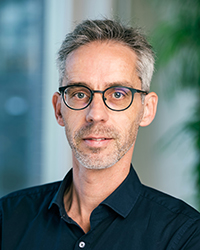
Peter Bisschop, Professor of Sanskrit and Ancient Cultures of South Asia, theme lead for ‘Languages, cultures and worldview’
‘My personal motivation for becoming a lead of this interfaculty theme is that I strongly identify with its wording. Language plays a major role in the development of a culture and, ultimately, in shaping a worldview. Language research and teaching provide insight into more than just language itself: you learn about all kinds of relevant topics to society. Given global political developments, it seems clear that society needs more mutual understanding and more insight into other cultures and worldviews. The university should show the outside world that we can help foster that mutual understanding.’
‘A second reason for becoming a lead is that there are many more connections to be made within our university. The reality is that our research and teaching are often confined to faculties and institutes. As a theme lead, I’d like to try to create more connections. Within my faculty alone, I see opportunities for greater collaboration between scholars like me who deal with pre-modern Asia and researchers in classical antiquity. There’s a great deal of knowledge to be exchanged about ancient civilisations. But I’m also thinking of more collaboration with the Faculty of Archaeology, to establish more connections between language research and material culture.’
‘These connections can bring us a lot as a university, and I think that the interfaculty theme communities can also be interesting for individual researchers. As a scholar, you have to keep developing; in that sense, you remain a student forever. And getting to know other disciplines is how you develop. In addition, applications for major research funding, such as ERCs, are more likely to be successful if you can demonstrate links with a variety of disciplines. And once such a project is underway, it forms a good basis for your next application.’
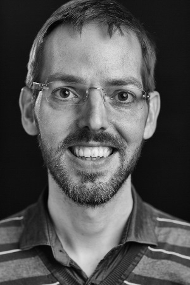
Joost Batenburg, Professor of Imaging and Visualisation, theme lead for ‘AI for humans, society and science’
‘For me, this theme is a natural continuation of the Society, Artificial Intelligence and Life Sciences (SAILS) interdisciplinary programme, which started in 2020. We put a lot of energy into creating a strong network of AI researchers within Leiden University. Now it’s time to show the world what we have to offer, to show our face. What makes Leiden special is that our research and teaching cover the entire AI domain: from knowledge about technology and how it is used to the influence of AI on humans. What’s more, interdisciplinary collaboration helps us establish connections between these three elements.’
‘This theme enables us to play an important social role, namely that of an independent compass. There’s a feeling among researchers and in society that the AI agenda is determined by external factors. This is where Leiden can help: by forming a substantiated opinion in the sometimes-overwhelming AI chaos.’
‘Individual researchers stand to gain a lot from joining a theme community. It’s nice to be part of a network in which knowledge is shared through activities. And it’s much easier to reach the outside world as a network than as an individual. The network strengthens you. My personal reason for committing to this interfaculty theme? As a person and a researcher, I want to know everything, like a kind of homo universalis. The reward I get from my efforts is that you gain a better overview of a subject, while also going into considerable depth.’
-
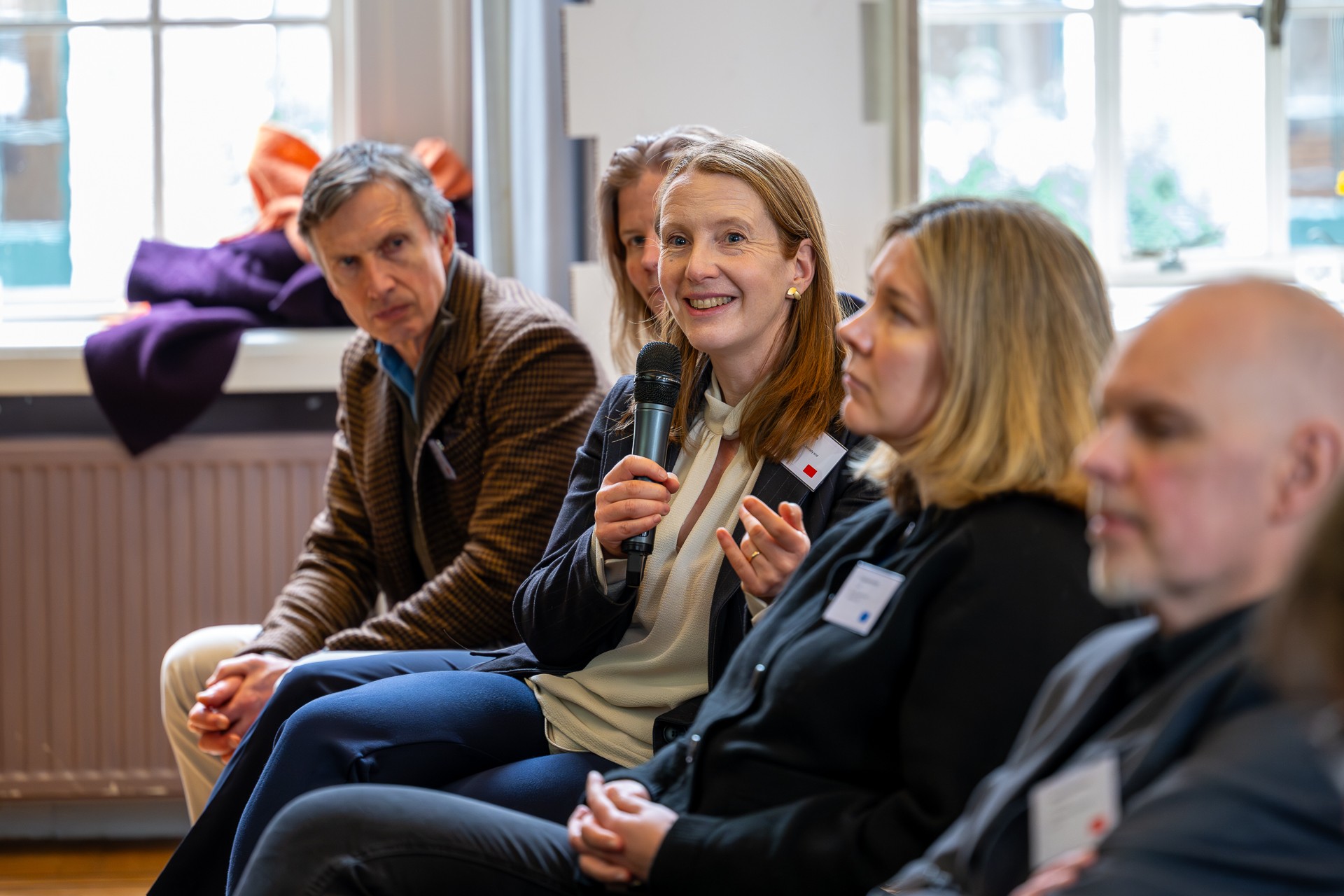
During the meeting, there was an opportunity to ask questions... -
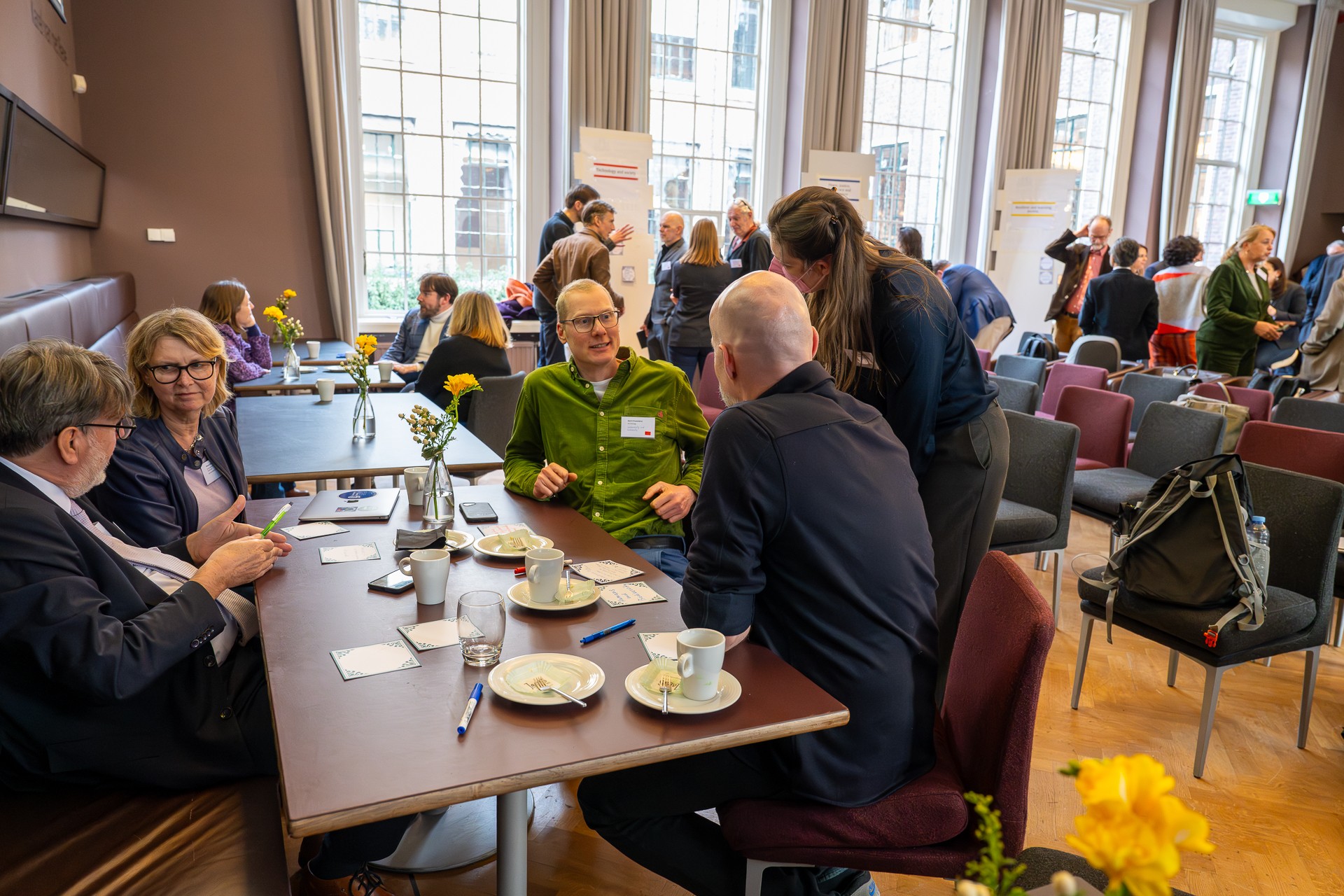
...and an extended opportunity to meet each other and exchange initial ideas. -
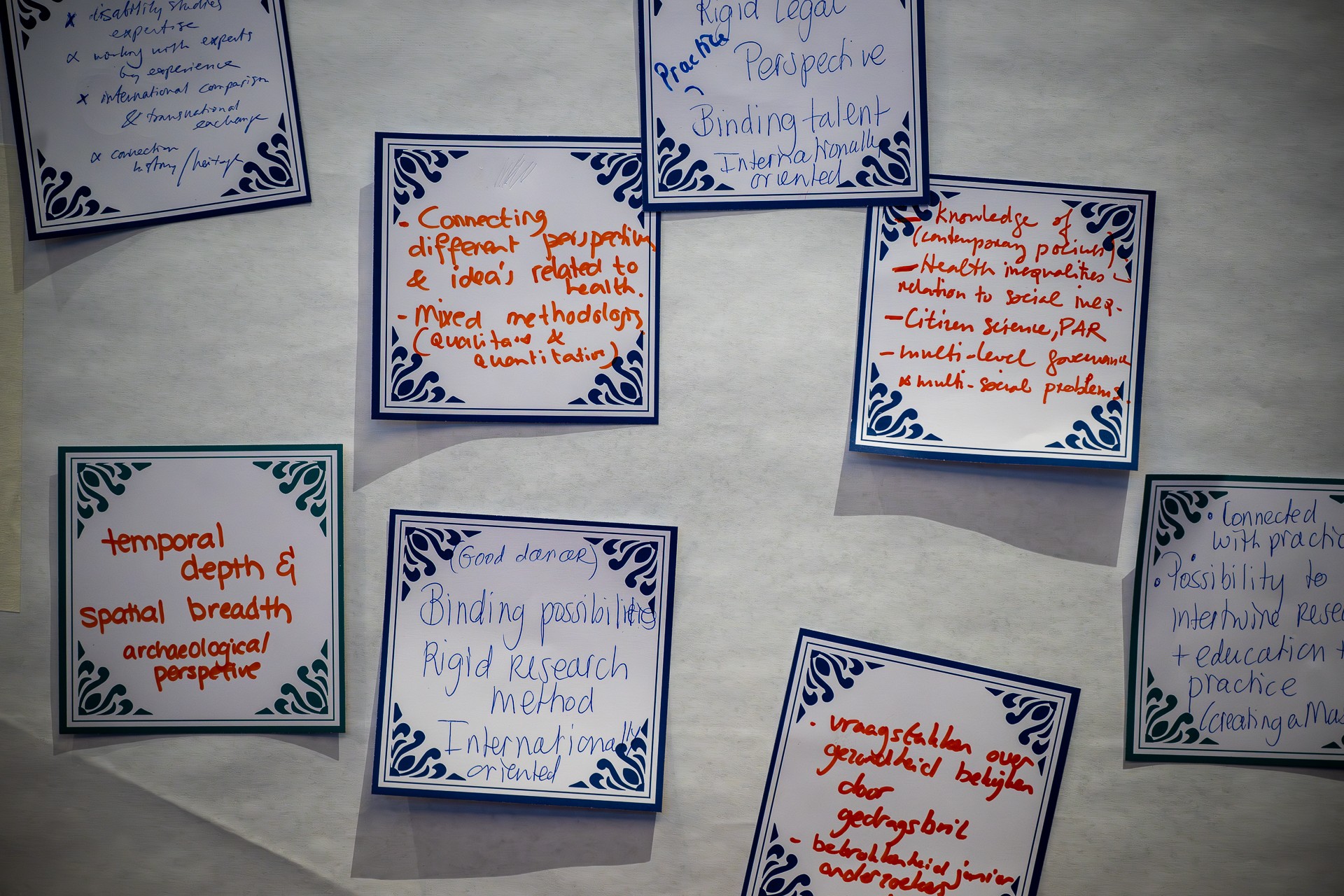
The leaders wrote on “tiles” which qualities they foresaw contributing to their theme.