
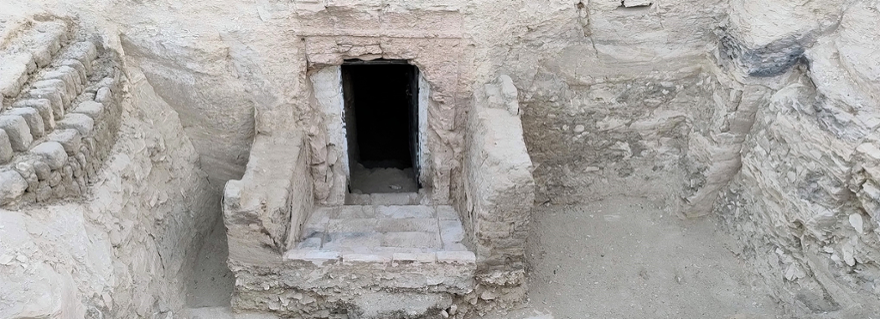
Archaeologists discover 3,000-year-old Egyptian tomb
A team of Dutch archaeologists headed by Carina van den Hoven from Leiden University has discovered a 3,000-year-old tomb in Egypt. The tomb sheds new light on the history of the area, where more tombs are located.
Archaeologists discovered the tomb in Lower Sheikh Abd El-Qurna, close to the Egyptian city of Luxor. The team worked with the Egyptian Ministry of Tourism and Antiquities.
The tomb comprises a forecourt leading to a rock-cut chapel beneath which lie underground burial chambers. Several architectural features have survived in remarkably good condition, including a staircase leading to the entrance.
The tomb’s decorated walls preserve scenes bearing the name of Paser and depict him worshipping various deities inside shrines and seated with his wife before an offering table. Based on the artistic style of the monument’s decoration, archaeologists believe that it dates to the Ramesside Period of the New Kingdom, between around 1292 and 1069 BC.
-
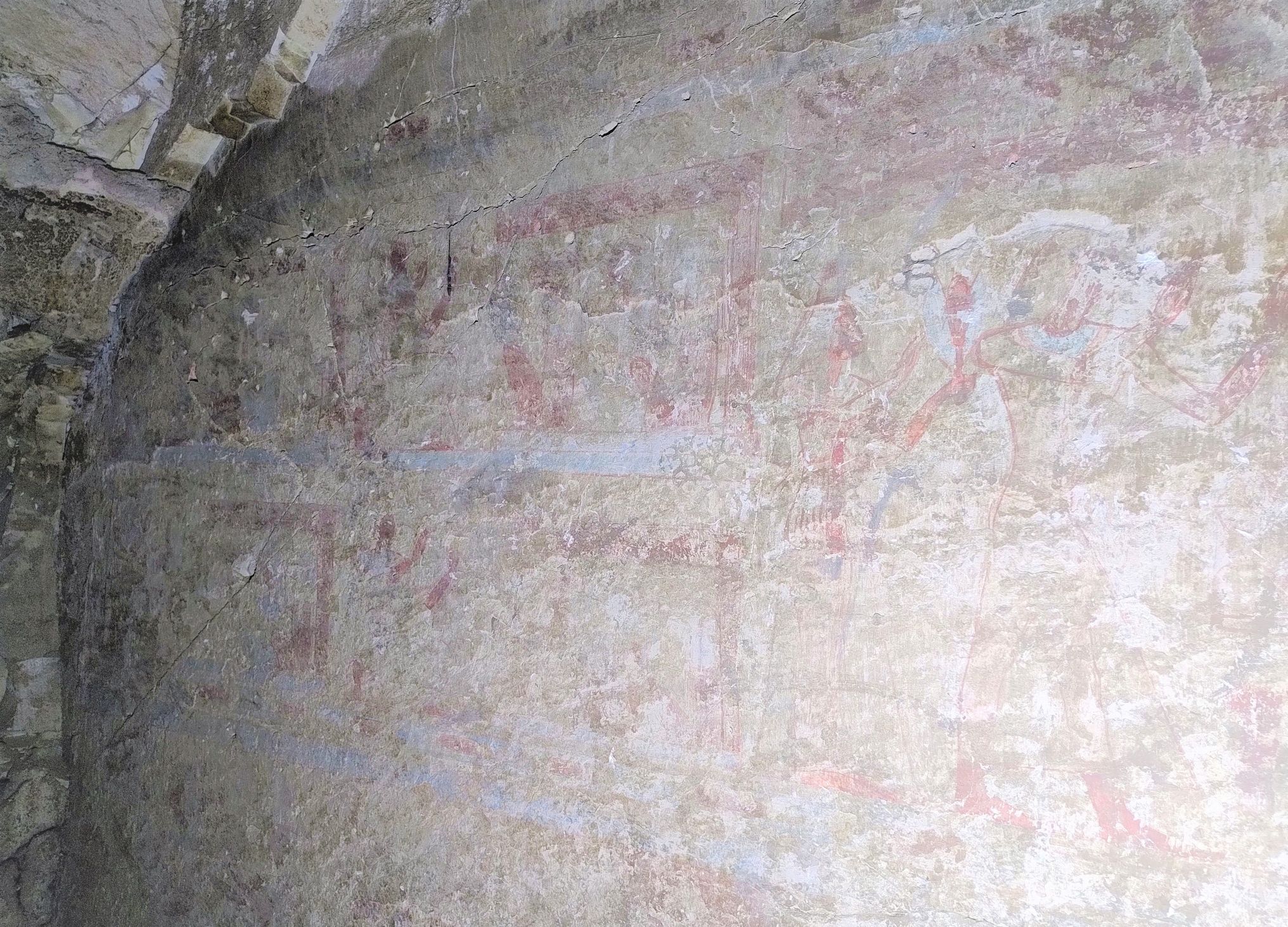
Decorations in the tomb. -
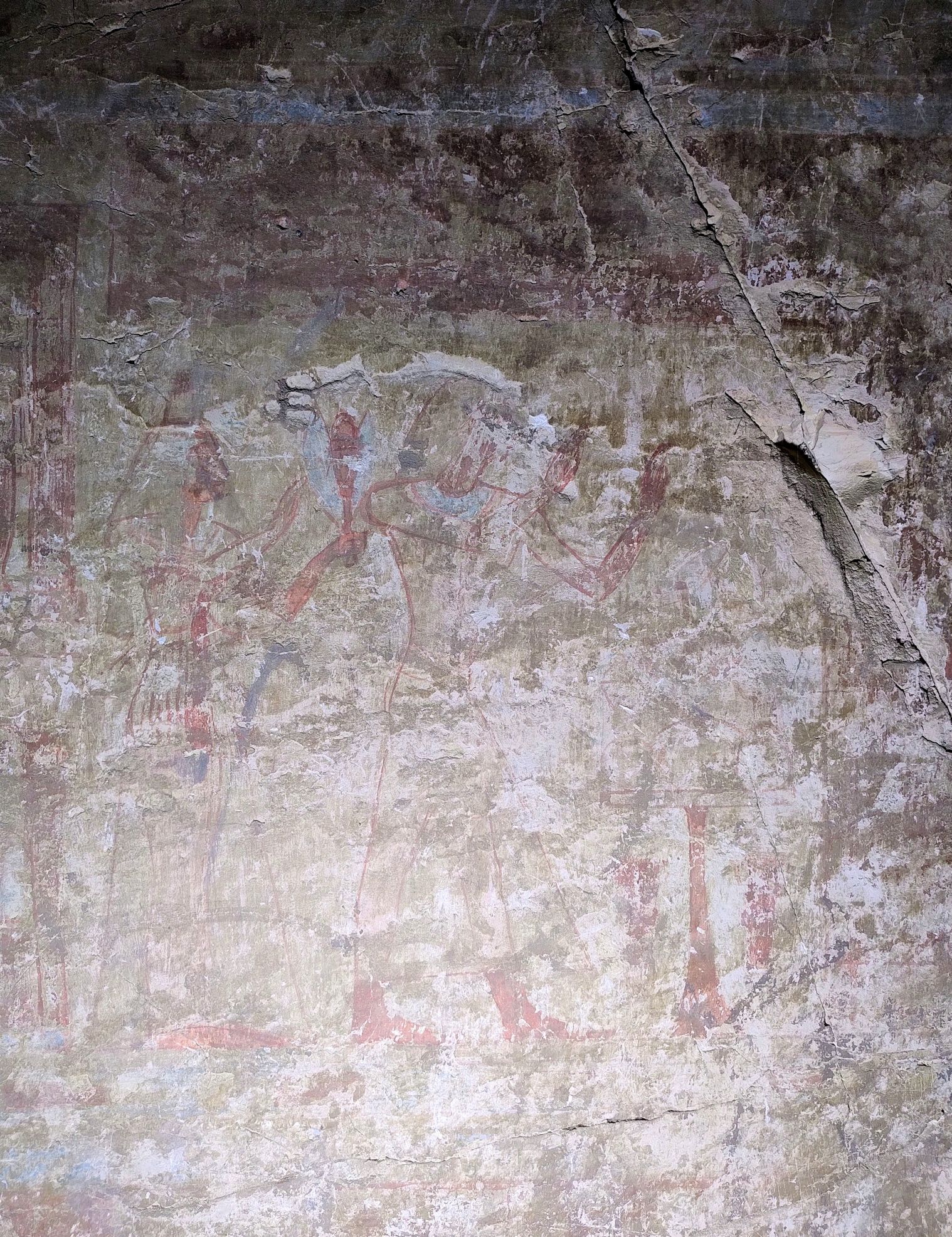
Decorations in the tomb. -
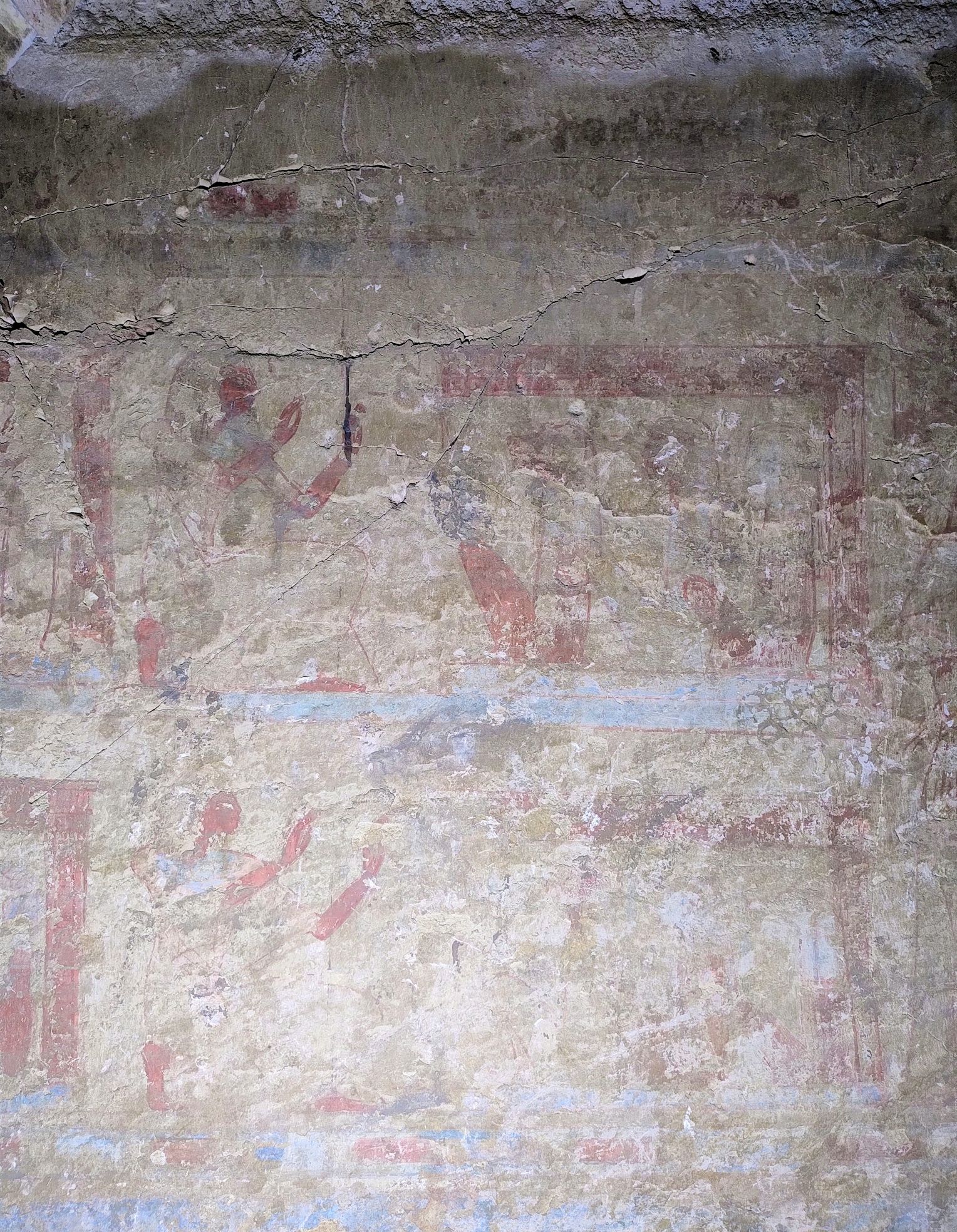
Decorations in the tomb.
The next phase of the project will focus on structural stabilisation, conservation and restoration of the painted decoration. The researchers also want to learn more about the people buried there. The study is expected to shed new light on the historical and cultural development of Lower Sheikh Abd El-Qurna and the relationships between its neighbouring tombs.
The study is part of a long-term project combining archaeological investigation with conservation in Lower Sheikh Abd El-Qurna. The organisations involved hope to open the tomb to visitors in the longer term.
For more information, see the Luxor Archaeological Heritage Foundation website.