More things in heaven and earth: the benefits of space exploration
The Netherlands celebrates Space Exploration Day on 12 April each year. Space exploration has brought us ground-breaking discoveries with applications on Earth as well as in space. Leiden University is at the forefront of space innovation. Below are some examples.
On 12 April 1961, Yuri Gagarin became the first person to fly in space. This breakthrough, and all the scientific discoveries that followed (including the recent Artemis II orbit of the moon), will be celebrated on Space Exploration Day.
Leiden University brings together cutting-edge expertise across the spectrum of space research: from instrumentation to governance. By working across disciplines, our researchers find solutions to complex challenges. What does this mean for society?
Detecting gas leaks
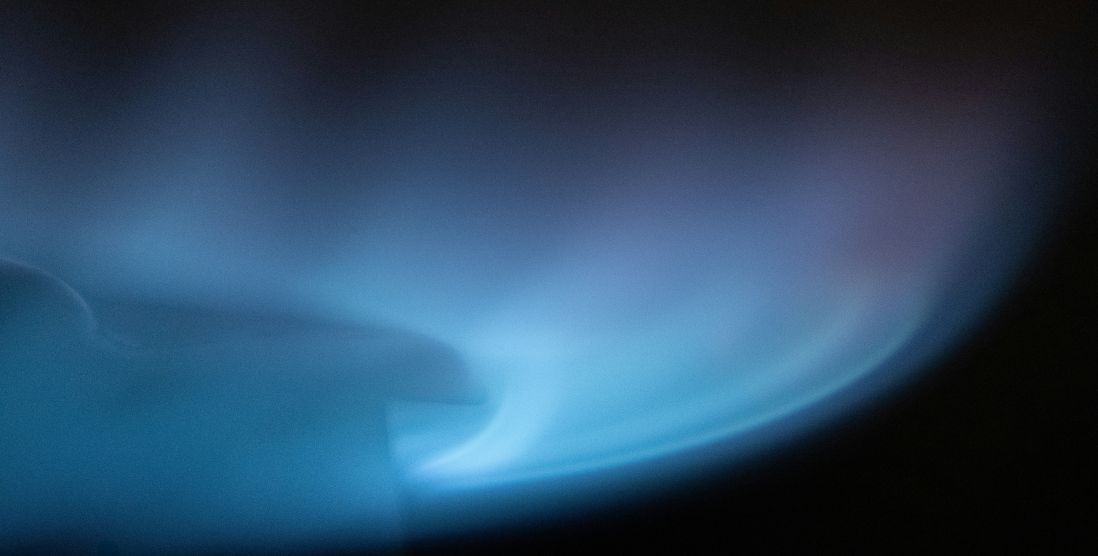
Technology that is initially developed for space research often finds applications on our planet. Based on prior research, Leiden Observatory developed a method to detect dangerous, climate-polluting gas leaks.
Read ‘Leiden astronomers develop technology to detect gas leaks’
Tumour imaging
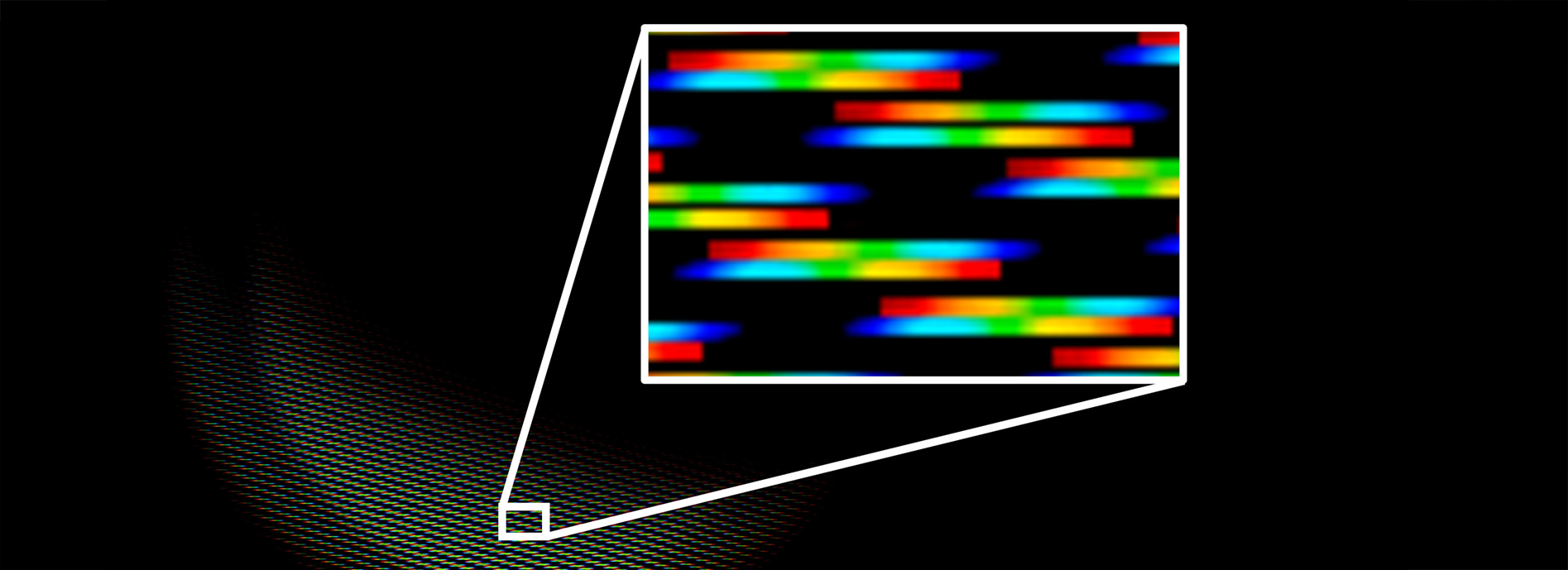
An imaging method used by astronomers to distinguish between objects such as stars and exoplanets forms the basis of a method that could help surgeons see where a tumour begins and ends.
Read ‘Astronomers and surgeons join forces in the operating theatre’
Detecting life in space from Earth
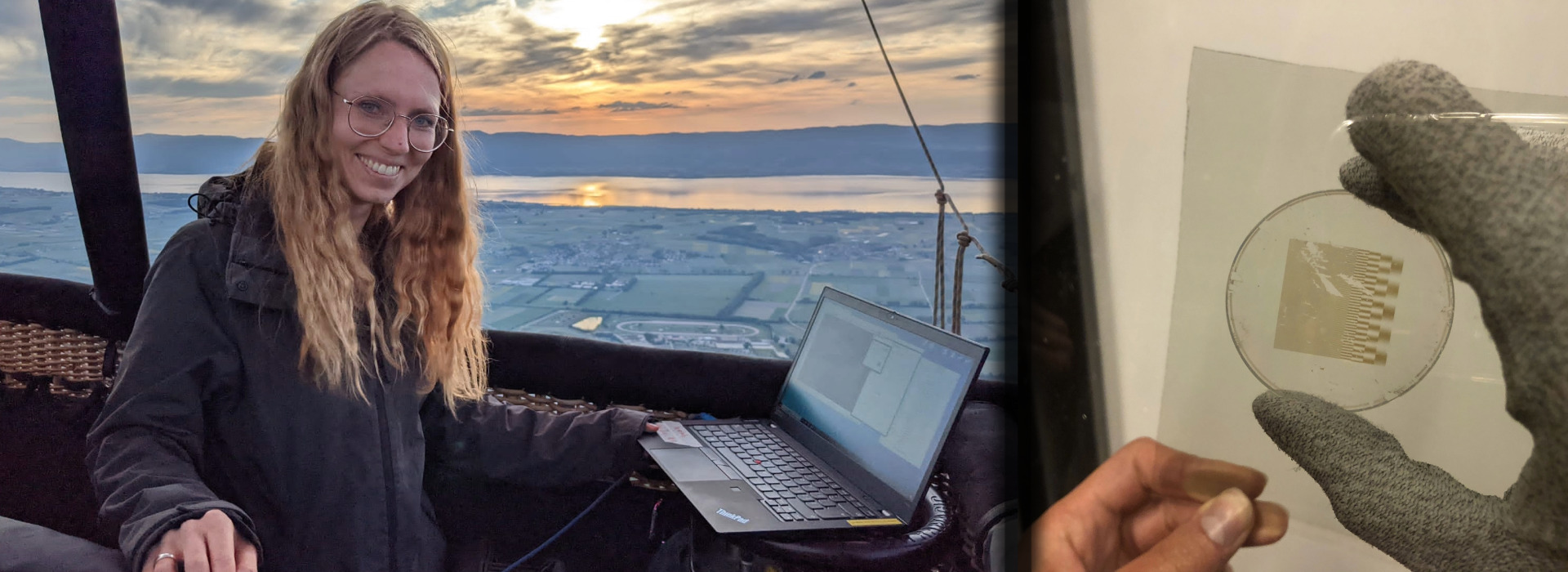
How do you detect life on a planet light-years away? During her PhD research, astronomer Willeke Mulder worked on an instrument to detect such signals – culminating in an experiment from a hot air balloon.
Read ‘Planet Earth as an example in the search for life on distant planets’
Helping build the world’s largest telescope
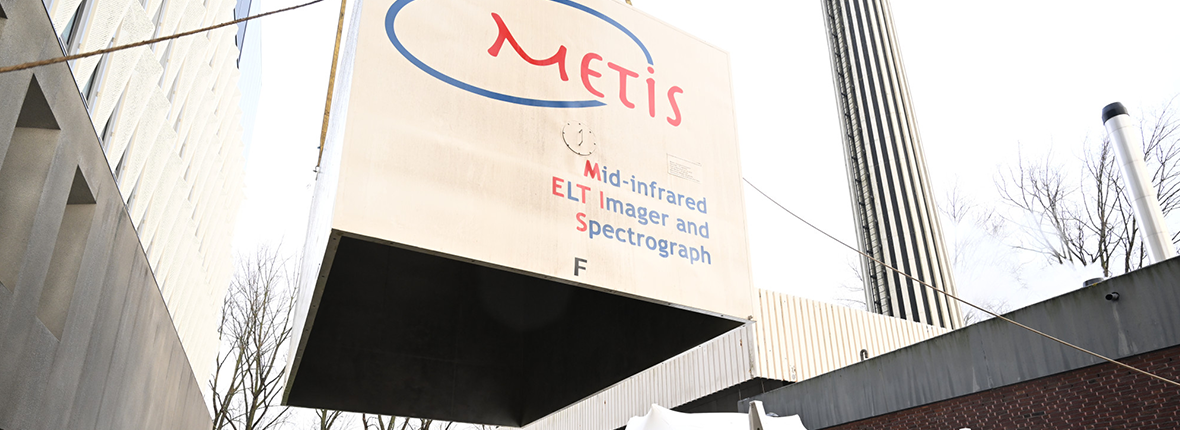
An important component of the Extremely Large Telescope (ELT), the largest telescope in the world, is currently being built in Leiden. It is a device that will allow researchers to study cool objects, peer through dust and even discover planets and their birthplaces around other stars.
Read ‘Arrival of cryostat marks milestone on the road to the world’s largest telescope’
To learn more about our space research, visit our ‘Quantum & Space’ page.